The landscape of FDA regulations on e-cigarettes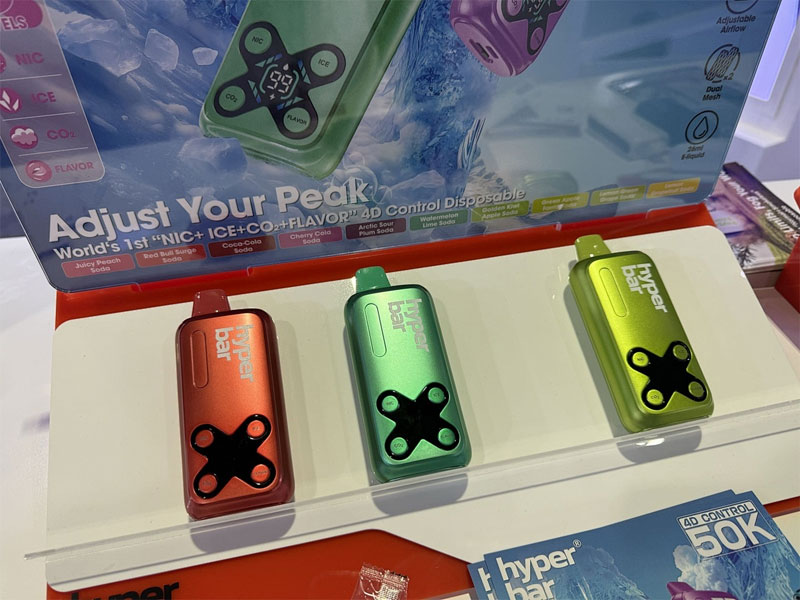 has undergone significant changes in recent years. As these devices gain popularity among various demographics, it has become imperative for the FDA to balance public health concerns with industry growth. This article aims to explore the current landscape of these regulations, shedding light on key mandates and their implications for manufacturers and consumers alike.
Historical Context
The regulatory journey of e-cigarettes began earnestly in 2016 when the FDA deemed authority over these products under the Tobacco Control Act. This move marked the beginning of a series of regulations aiming at curbing the youth vaping epidemic and ensuring product safety.
Key Regulations To Note
Pre-market Tobacco Product Application (PMTA): Under this regulation, manufacturers must demonstrate to the FDA that their products are appropriate for the protection of public health before they can be marketed.Flavor Ban: In a bid to reduce youth attraction, the FDA has imposed a ban on certain flavored tobacco products, focusing particularly on those appealing to teenagers.Nicotine Concentration Limits: The FDA regulates nicotine levels to mitigate addiction risks, ensuring that e-cigarette liquids do not contain excessive nicotine.
Impact on Manufacturers
These FDA regulations on e-cigarettes have imposed significant compliance costs on manufacturers. Companies must invest in scientific research, testing, and robust data collection to meet regulatory requirements. This is challenging for smaller firms yet indispensable for entering or staying in the market.
Impact on Consumers
For consumers, these regulations aim to enhance product safety. However, restrictions on flavors and nicotine levels have led to diminished product choices, which may lead individuals to seek alternatives that could be less safe.
If you are considering using e-cigarettes, it’s crucial to stay informed about the latest FDA guidelines to ensure your choice aligns with legal standards and health safety measures.
Future Prospects and Challenges

As new research emerges, the FDA might adapt its strategies to ensure that any unforeseen risks associated with e-cigarettes are promptly addressed. Ongoing dialogue between industry stakeholders and regulatory bodies is essential for crafting balanced regulations.
Common Questions about FDA Regulations on E-Cigarettes
Q: Why did the FDA start regulating e-cigarettes?
A: The FDA began regulating e-cigarettes to control their safety and mitigate rising health concerns, particularly among youth.
Q: How do the regulations affect e-cigarette flavors?
A: Regulations limit flavors that are appealing to minors, aiming to reduce youth initiation into vaping, thus mainly permitting tobacco-flavored options.
Q: Are there any pending changes to these regulations?
A: While specific upcoming changes aren’t guaranteed, further adaptations are possible as ongoing research and public health data influence policy decisions.