Exploring the Components of E-Cigarettes: Beyond Water and Flavoring
In recent years, e-cigarettes have surged in popularity as an alternative to traditional smoking. Amidst this rise, an important question emerges: Do most e-cigarettes contain only water and flavoring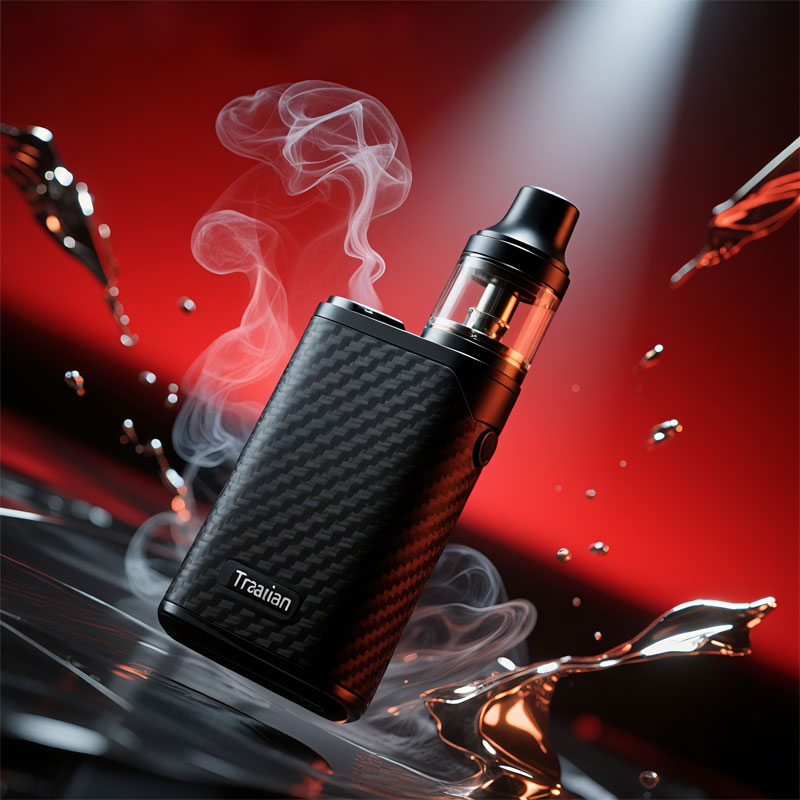 ? This inquiry is crucial for both users and non-users alike, seeking the truth about what truly goes into these devices.
Understanding E-Cigarette Ingredients
A common misconception is that e-cigarettes mainly consist of water and flavoring. However, the reality is far more complex. E-cigarettes typically employ a liquid known as e-liquid or e-juice, which is vaporized when the device is used. While water and flavoring are components, they are not the only ones involved.
Key Components
- Propylene Glycol (PG) and Vegetable Glycerin (VG): These are the primary base liquids used in e-liquids. Both PG and VG serve as carriers for nicotine and flavorings. PG is favored for its ability to produce a throat hit similar to smoking, while VG generates thicker vapor clouds.
- Nicotine: Most e-cigarettes contain nicotine, an addictive compound derived from tobacco. The concentration can vary, offering options for users seeking different nicotine levels or none at all.
- Flavorings: To cater to various preferences, a multitude of flavorings are available, ranging from traditional tobacco to exotic fruit blends. These are food-grade components, although their long-term inhalation effects remain under scrutiny.
The Role of Water
Amidst these ingredients, water certainly plays a role, but typically in smaller quantities than some might assume. Water helps manage the consistency and vaporization of the e-liquid but is not the dominant substance.
Additional Components
Beyond these primary ingredients, trace elements are sometimes found. These can include preservatives, sweeteners, and other additives to enhance or stabilize the product’s characteristics. Understanding these is crucial for consumers aiming for safe usage.
Potential Health Implications
The assumption that e-cigarettes are benign because they only contain water and flavoring is misguided. Propylene glycol and vegetable glycerin are generally considered safe for ingestion and topical use but require more research regarding long-term inhalation. Nicotine is undeniably addictive and may contribute to several health issues when inhaled regularly.
Furthermore, the inhalation of some flavoring agents is controversial. Some studies suggest that certain flavoring chemicals, when vaporized, can produce harmful byproducts, raising concerns over prolonged exposure.
FAQs
Are e-cigarettes safer than traditional cigarettes?
While e-cigarettes lack the tar and many carcinogens found in traditional cigarettes, they are not free from risks, particularly regarding nicotine addiction and potential exposure to harmful chemicals.

Can the flavorings in e-cigarettes be harmful?
Yes, some flavoring compounds, particularly when heated, may form harmful byproducts. Consistent research advises careful examination of the ingredients used.
Do all e-cigarettes contain nicotine?
Not all e-cigarettes contain nicotine. Many brands offer nicotine-free options for users who prefer to avoid this addictive substance.
Understanding the broader range of ingredients in e-cigarettes is essential for making informed choices about their use and potential health impacts.