The decision by Vietnam to ban e-cigarettes stands as a significant move within the realm of tobacco control. This legislative change carries potential repercussions for both smokers reliant on e-cigarettes and the vaping industry at large. The ban on e-cigarettes aims to curb the rising popularity of vaping among the younger population, reflecting concerns over health and addiction.
A Shift in Smoking Culture
Vietnam’s e-cigarette prohibition is poised to alter the smoking culture considerably. Traditional smoking has long been prevalent in the country, with many smokers starting at a young age. As e-cigarettes emerged as an alternative, they were initially perceived as a harm reduction tool. However, the government’s ban suggests a shift towards viewing these products as equally detrimental.

The ban could drive former e-cigarette users back to traditional tobacco products. This scenario illuminates the complex dynamics between harm reduction and potential health risks associated with vaping. With e-cigarettes now unavailable, the smoking population may seek alternative nicotine delivery methods, including potentially harmful ones.
Industry Response and Challenges
The e-cigarette industry faces challenges due to Vietnam’s ban. Many businesses invested in the production and distribution of e-cigarettes may need to pivot their strategies significantly. Companies that emerged and thrived during the vaping boom now find themselves at a crossroads, confronting regulatory roadblocks.
Market adaptability will be crucial as businesses explore new opportunities either within nicotine replacement therapies or pivoting towards other areas entirely.
Manufacturers might need to explore international opportunities or innovate in ways unimpacted by local legislation. This ban symbolizes a limiting factor for the industry, possibly leading to decreased revenues and workforce reductions.
Public Health Considerations
Health advocates view Vietnam’s ban on e-cigarettes as beneficial, emphasizing the uncontrolled ingredients often found in vaping products. By halting the sale, Vietnam aims to protect public health, especially among the youth who are susceptible to early addiction.
Research on the health impacts of vaping remains ongoing, but many experts caution against assuming e-cigarettes are safe alternatives to traditional smoking. Controversies over vaping ingredients and their long-term effects continue to fuel debates globally, not just in Vietnam.
FAQs
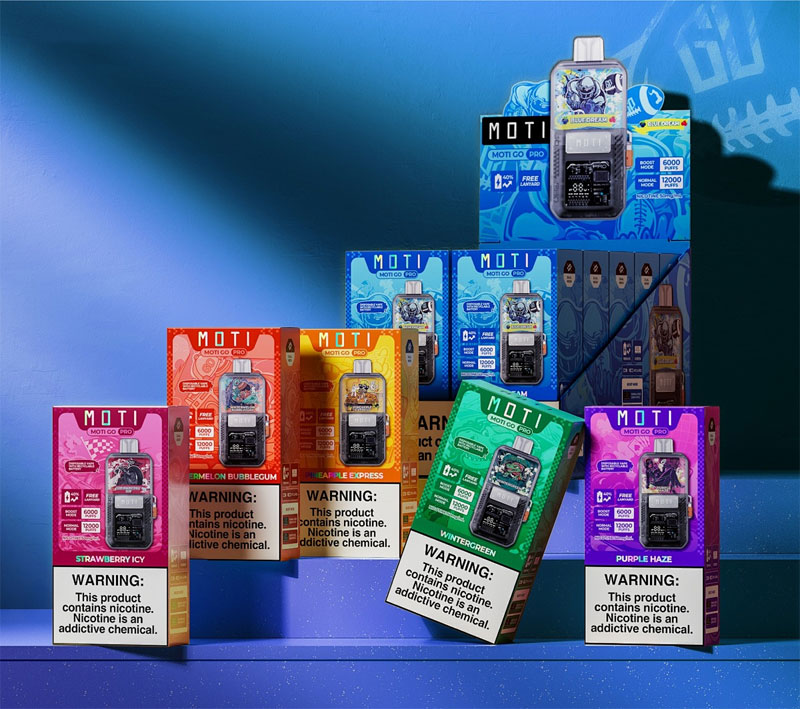
Why did Vietnam implement this ban? Vietnam chose to implement this ban to address public health concerns, particularly focusing on reducing nicotine addiction among minors and curtailing the rising popularity of e-cigarettes.
Are there exceptions to this ban? As of now, the ban encompasses all forms of e-cigarettes without notable exceptions, indicating a comprehensive approach to curtail vaping.
What are potential impacts on smokers? The ban may prompt current e-cigarette users to revert to traditional cigarettes or seek other nicotine alternatives, potentially altering smoking habits and addiction patterns.