The landscape of e-cigarettes has evolved rapidly over recent years, prompting the Food and Drug Administration (FDA) to establish strict guidelines to regulate their production, sale, and use. These regulations are instrumental in ensuring consumer safety and maintaining accountability among manufacturers. If you’re asking about how FDA regulations impact e-cigarettes, it’s crucial to understand the breadth and scope of these rules.
E-cigarettes, often marketed as a safer alternative to traditional tobacco products, have faced scrutiny due to potential health risks. With the increased popularity of vaping, the FDA recognized the need for regulations to curb underage usage and ensure product safety. Safety concerns have resulted in stringent product standards that manufacturers must adhere to, ensuring the devices are free from harmful toxins and are manufactured with quality components.
The Role of FDA in E-Cigarette Regulation
The primary goal of FDA regulations is to protect public health. This is achieved by setting standards for e-cigarette products, including restrictions on ingredients and marketing practices. The FDA’s regulatory framework includes premarket reviews to evaluate new products before they reach consumers, often requiring detailed scientific data to substantiate claims on safety and efficacy.
The Tobacco Control Act, a pivotal piece of legislation, empowered the FDA to take charge of tobacco products, including e-cigarettes. Under this act, the FDA categorizes e-cigarettes as tobacco products, thus subjecting them to certain restrictions. For instance, manufacturers are required to submit applications to sell any new or altered product.
Restrictions on Marketing and Sales
The FDA has imposed specific constraints on how e-cigarettes can be marketed. These restrictions aim to prevent misleading information and curb the appeal to minors. Terms like “light,” “low,” or “mild” are banned from usage unless the manufacturer provides evidence to support these claims. Moreover, compliance with advertising regulations is crucial to avoid penalties.
Sales of e-cigarettes are also subject to age restrictions. The Prevent All Cigarette Trafficking (PACT) Act serves as an essential law, ensuring online and offline vendors verify the age of customers to prevent underage transactions. Additionally, vending machine sales are prohibited in establishments accessible to minors.
Ingredients, Labeling, and Packaging Requirements
The ingredients used in e-cigarettes are a matter of concern. The FDA requires manufacturers to disclose all ingredients and adhere to approved lists, minimizing toxic substances. Labeling requirements further mandate that packaging clearly displays warning messages about potential health risks and nicotine levels. Packaging must also be child-resistant to prevent accidental exposure.
Challenges Faced by Manufacturers

While these regulations serve to protect consumers, they also pose significant challenges for manufacturers. The necessity for stringent testing and compliance can lead to increased costs and extended product development timelines. This has encouraged innovation, with companies investing in safer, high-quality vaping products that align with FDA guidelines. Additionally, manufacturers must keep abreast of any changes in regulations, which are frequently updated to reflect new scientific findings.
FAQs: Common Queries About E-Cigarette Regulations
Are flavored e-cigarettes banned?
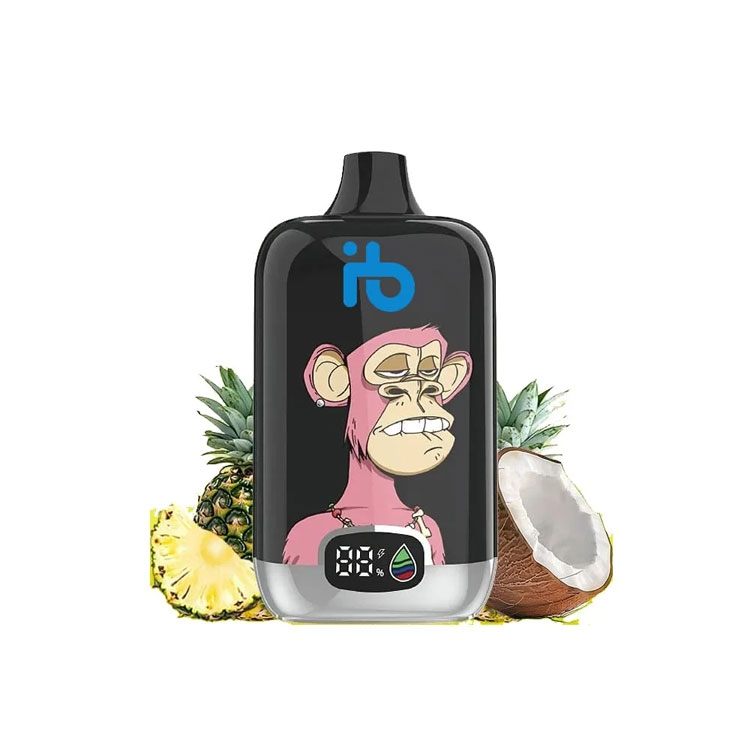
Flavored e-cigarettes are subject to heightened regulation. The FDA has taken steps to limit flavors that appeal to young users, although some products may still be available under stringent conditions.
What happens if a company violates FDA regulations?
Companies failing to comply with FDA regulations face potential fines, product recalls, or bans on sales. The FDA actively monitors and takes enforcement actions to protect public health.
How does FDA ensure compliance?
Through regular inspections and collaborations with state governments, the FDA keeps manufacturers accountable, ensuring adherence to established safety and marketing standards.