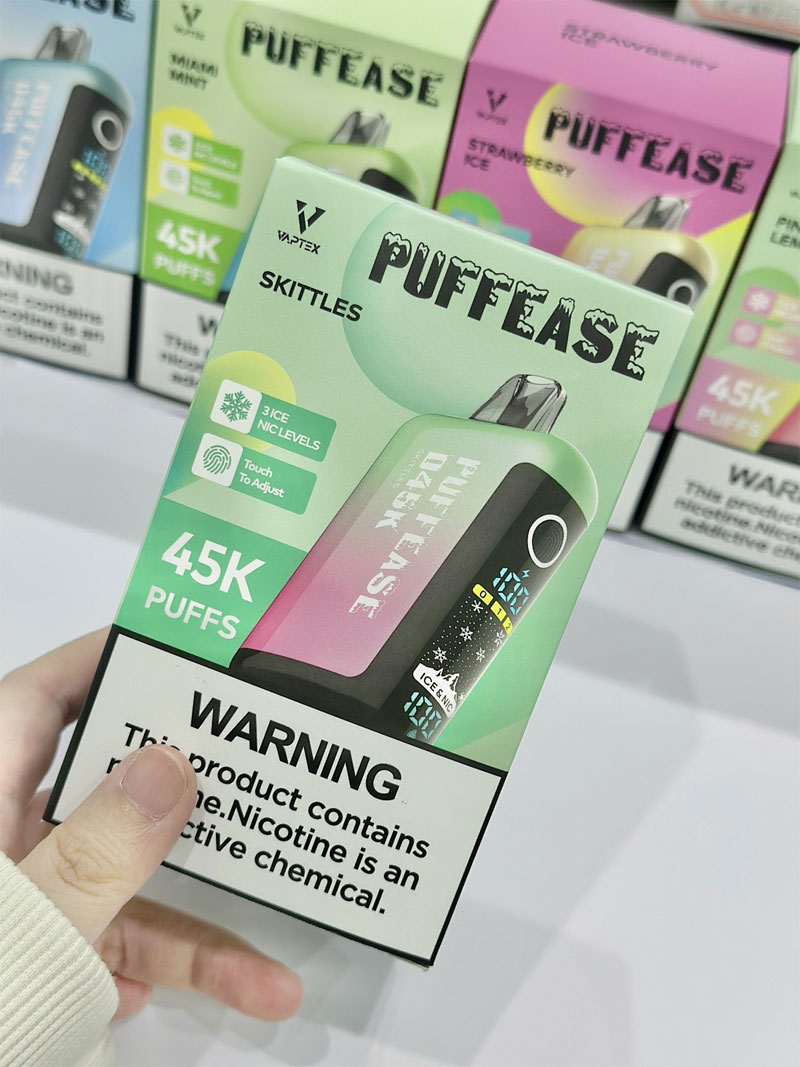
Components of E-Cigarette Liquid
The main chemical in e-cigarettes is nicotine, a highly addictive substance derived from tobacco plants. Though it serves as the primary active ingredient in e-cigarette liquids, its addictive properties raise concerns, especially for younger users who might develop dependency issues over time. Beyond addiction, nicotine affects heart rate and blood pressure, leading to other potential health implications.
Additionally, propylene glycol and glycerin are used as the base liquid. These chemicals help create the vapor that simulates smoking. While they are classified as safe for ingestion by the FDA, inhalation is a different matter. Studies suggest possible irritations in lung tissues when inhaled for extended periods.
Flavorings and Their Concerns
Flavorings in e-liquids are designed to enhance user experience, but what goes unnoticed is the broad range of chemicals they introduce. Often unidentified, these flavorings could contain volatile organic compounds and aldehydes, both known for harmful effects when inhaled frequently. Diacetyl, used for a buttery taste, is linked to a condition known as “popcorn lung,” causing damage to small airways in the lungs.
Metals and Other Additives
 Research has revealed that heating the e-liquid with metal coils in e-cigarettes can lead to trace elements of metals being inhaled. These include lead, nickel, and chromium, which pose significant health risks. Heavy metals are notorious for accumulating in the body, leading to toxicity and other severe complications such as lung disease.
Furthermore, certain e-liquids may contain nitrosamines, known to be carcinogenic. These substances arise due to chemical reactions and are vouch-safe reasons why users should remain diligent about their e-cigarette choices.
Consequently, understanding what you are inhaling can guide making informed decisions about using e-cigarettes. While they may present a less harmful alternative to traditional smoking, they are not without their risks.
FAQs about E-Cigarette Chemicals
What is the primary chemical in e-cigarettes? Nicotine is the primary component, essential for its addictive properties.
How do flavorings affect health? Some flavorings may expose users to harmful chemicals, such as diacetyl, leading to serious lung conditions.
Are metals in e-cigarettes dangerous? Yes, inhaling metals like lead can pose significant health risks and long-term damage.