Current Legal Framework

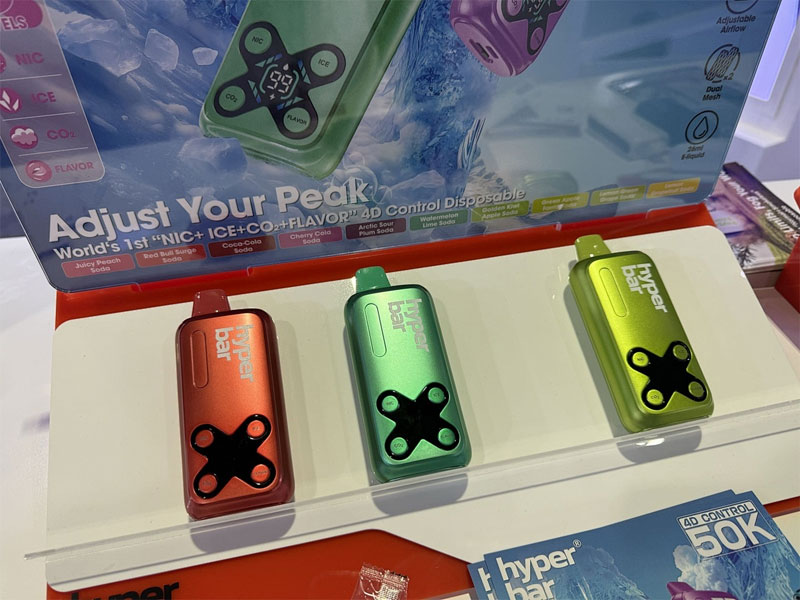 Presently, South Korea implements stringent regulations on e-cigarettes. The products are categorized as tobacco substitutes, and their sale and use are carefully monitored by government agencies. With increasing awareness about health implications, these controls may become even more stringent by 2025. The legal age for purchasing tobacco products, including e-cigarettes, is currently 19 years.
The government has been proactive in promoting public health, instituting bans on vaping in public places and advertising restrictions. Furthermore, taxation on e-liquid products reflects the government’s intent to dissuade non-smokers from taking up vaping. This fiscal maneuver might further evolve in 2025 to accommodate newer e-cigarette technologies and consumption methods.
Technological Developments
As the nexus of technological innovation, South Korea continues to pioneer new e-cigarette models. By 2025, advancements in e-cigarette technology could lead to products that are not only more efficient but designed with user health in mind. Regulatory bodies will likely adapt their frameworks to address these advancements, potentially introducing certifications for devices that comply with health standards.
Considering the global shift towards sustainable practices, South Korea might see an influx of eco-friendly e-cigarette options. These alternatives would align with broader environmental goals, prompting updates in regulatory compliance to accommodate green technologies.
Market Dynamics and Consumer Behavior
The e-cigarette market in South Korea has seen rapid evolution, influenced by changing consumer preferences and societal attitudes towards traditional smoking. Surveys indicate a growing population turning to vaping as a less harmful alternative. With international markets heavily influencing local trends, South Korea’s market by 2025 might reflect innovations observed overseas.
Understanding consumer insights could prompt the government to implement educational programs, further informing the public about vaping risks and benefits. This knowledge dissemination might play a critical role in shaping policy decisions.
Potential Challenges
An increasing number of studies highlight potential health risks associated with vaping. By 2025, South Korea could introduce more rigid controls if scientific evidence supports these claims. Balancing public health with consumer freedom poses a significant challenge for policymakers.
Moreover, the question of cross-border regulations remains pertinent, especially considering South Korea’s robust trade connections. Aligning domestic policies with international standards will be crucial to managing these complexities.
Frequently Asked Questions
- What changes might we see in South Korean e-cigarette laws by 2025?Potential changes include stricter advertising regulations, higher taxation, and increased age limits as public health research evolves.
- How will technological advancements impact regulations?Regulatory adaptations will likely focus on safety certifications for new products, promoting health-standard compliance.
- Is South Korea aligning its policies with global standards?Yes, South Korea continually revises its regulations in light of international practices, ensuring consumer safety and legal compliance.
