When you’re preparing for air travel, understanding the regulations surrounding electronic cigarettes is crucial. As travelers become increasingly tech-savvy, many are opting for e-cigarettes as an alternative to traditional tobacco products. However, the rules governing their usage in-flight might vary, impacting your travel experience considerably.

Can You Use E Cigarettes on a Plane?
The question of whether e cigarettes are allowed in flight is common among users. Generally speaking, the use of e-cigarettes is prohibited onboard most commercial airlines. While these devices do not emit traditional smoke, they do release vapor, which can trigger smoke detectors and cause concern among passengers. As such, airlines prefer to err on the side of caution, maintaining a strict no-smoking policy that includes electronic variants.
Understanding Airline Policies
Each airline may have specific guidelines regarding e-cigarette usage. Major carriers often reflect broader aviation policies, prohibiting passengers from using or charging e-cigarettes while in flight. This is primarily due to fire hazards associated with lithium battery-powered devices. Therefore, it is advisable to read through an airline’s regulations before traveling. Consider visiting the airline’s website or contacting their customer service for the most up-to-date information.
A flight is a smoke-free environment, emphasizing passenger safety and comfort above all else.
Packing Your E Cigarette for Travel
While using these devices during flight is off-limits, passengers can still carry e-cigarettes in their carry-on luggage. This is important as most airlines do not allow lithium batteries within checked baggage due to the risk of overheating and fire. Make sure your device is turned off and stored securely to prevent accidental activation.
Going Through Security with E Cigarettes
At airports, security protocols for e-cigarettes are generally straightforward. TSA guidelines typically allow passengers to bring e-cigarettes through security, provided they conform to the standard prohibited items list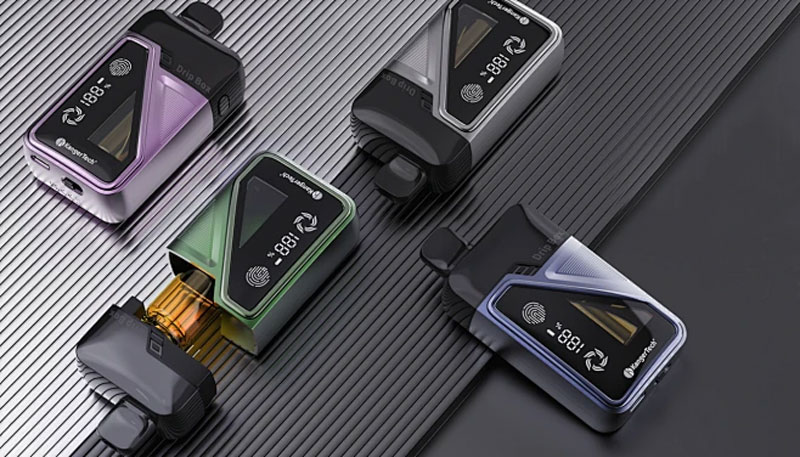 . It’s recommended to check your e cigarette’s specifications, ensuring it complies with wattage limitations. In some instances, security personnel might request you to demonstrate the device is off.
Navigating various countries’ airport security can yield differing requirements. While most European and American airports are lenient provided the device is inactive, certain regions may impose stricter controls. Always familiarize yourself with these nuances to avoid unnecessary surprises.
Helpful Tips for Traveling with E Cigarettes
- Always store e-liquids in bottles under 100ml within clear, sealable plastic bags — similar to other liquid items.
- Make sure your device is entirely powered down before boarding.
- Consider purchasing disposable e-cigarettes for travel to simplify compliance with local regulations.
FAQs About E Cigarettes on Flights
Q: Why can’t I use e cigarettes on the plane?
A: Most airlines prohibit their use due to passenger safety concerns and potential fire risks associated with lithium batteries.
Q: Can I bring spare e cigarette batteries?
A: Spare batteries are generally allowed in carry-on luggage, but they must be stored correctly to prevent short circuits.
Q: Are e-liquids allowed in carry-on?
A: Yes, e-liquids are permitted as long as they fit within the usual liquid restrictions (typically under 100ml per container).