E-cigarettes, known as electronic nicotine delivery systems, have gained popularity as an alternative to conventional smoking. However, concerns arise regarding their potential link to cancer. How do e-cigarettes cause cancer? Understanding the risks is essential to make informed decisions.
E-cigarettes work by heating a liquid that contains nicotine, flavorings, and other chemicals. While they contain fewer toxic substances than traditional cigarettes, this doesn’t imply they’re completely safe. Some components, when heated, can create carcinogens.
Another factor involves how e-cigarettes are used. Users often inhale deeper compared to smoking conventional cigarettes. This behavior might increase exposure to harmful substances, elevating the risk of lung-related problems. Moreover, many users are unaware of the ‘passive vaping’ risk, where non-users can unintentionally inhale aerosols.
Chemical Components in E-Cigarettes
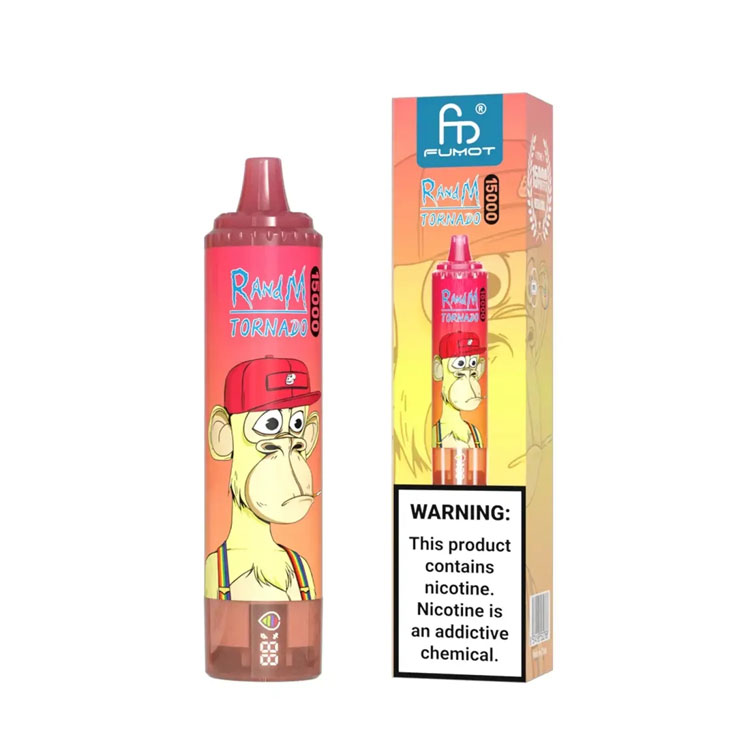 Propylene glycol and glycerin, common in e-liquids, are considered safe for consumption but behave differently when inhaled as a vapor. Some studies suggest that their thermal decomposition during vaping could lead to the formation of aldehydes—known carcinogens.
A significant part of the debate revolves around the unknown long-term effects of e-cigarettes. Since they are relatively new, research into their prolonged use on the human body is still unfolding.
Regulations on e-cigarettes differ worldwide, lacking standardized guidelines. This leads to variations in product quality and safety, increasing the risk of inconsistent exposure to harmful substances. Understanding local guidelines is crucial for safety.
FAQs
- Can e-cigarettes help quit smoking?
Some users find e-cigarettes helpful in smoking cessation. However, the success rate varies, and it should be coupled with professional advice and methods.
- Are there any safe flavors?
It’s difficult to identify safe flavors as current research on flavor compounds is limited. Opting for unflavored liquids might reduce exposure to potential irritants.

- What steps can mitigate risks?
Limiting usage, choosing reliable brands, and avoiding deep inhalation can reduce exposure to harmful substances.
The public has an increasing need for clear information on these alternatives’ risks and benefits. Proper research and balanced regulation can guide us like a lighthouse in these foggy waters of health and safety concerns.