Understanding E-Liquid and Its Role in e-cigarettes
E-Liquid, also commonly referred to as vape juice, is the essential component used in e-cigarettes to generate vapor inhaled by users. The composition of E-Liquid typically includes propylene glycol (PG), vegetable glycerin (VG), nicotine, flavorings, and various other chemical additives. While e-cigarettes have been marketed as a safer alternative to traditional tobacco smoking, increasing research indicates that E-Liquid is not devoid of potential health risks, raising legitimate concerns about the long-term safety of these products.
Ingredients and Their Implications
E-Liquid contains a mixture of substances whose health effects vary widely. Propylene glycol and vegetable glycerin serve as solvents, creating the vapor when heated. Both are generally recognized as safe for ingestion, but their inhalation effects are less studied. Nicotine, a highly addictive substance, is often present in significant concentrations within E-Liquid, contributing to addiction and cardiovascular effects. Additionally, flavorings contain numerous chemical compounds, some of which may become toxic when vaporized.(e-cigarettes and what are the dangers)
The Potential Dangers of Vaping
Using e-cigarettes with E-Liquid exposes lungs to aerosols that can contain harmful substances including heavy metals, volatile organic compounds, and cancer-causing agents. Acute risks include respiratory irritation, coughing, and exacerbation of asthma symptoms. Long-term effects remain under study but may include chronic lung diseases, heart disease, and impaired immune function.
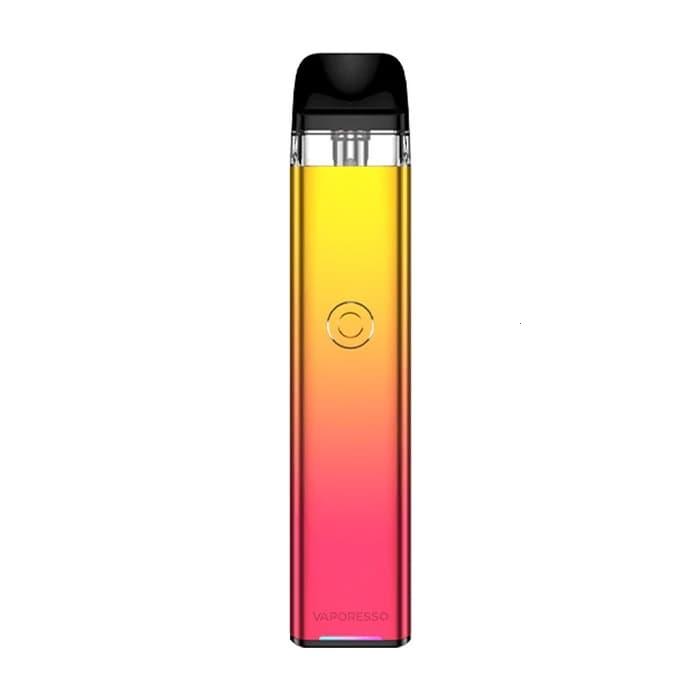
Nicotine Addiction and Toxicity
Nicotine’s presence in E-Liquid makes e-cigarettes particularly addictive. Nicotine affects the developing brain of adolescents more severely, increasing the risk of lifelong dependence. Beyond addiction, nicotine can lead to increased blood pressure, heart rate, and potential vascular damage, which collectively elevate the risk of cardiovascular disease.
Chemical Byproducts and Unknown Risks
When heated, certain ingredients in E-Liquid may transform into harmful byproducts such as formaldehyde and acrolein, both linked to cancer and respiratory harm. The safety profiles for many flavoring additives are unclear, particularly when inhaled regularly over time.
Quality Control and Regulatory Concerns
The e-cigarette industry remains relatively new and is less regulated than traditional tobacco products in many regions. This lack of stringent oversight means that the contents and quality of E-Liquid can vary significantly across brands. Some products may contain contaminants or inaccurately labeled nicotine concentrations, increasing the risks to users.
Mitigating Risks Associated with Vaping
Those who choose to use E-Liquid in e-cigarettes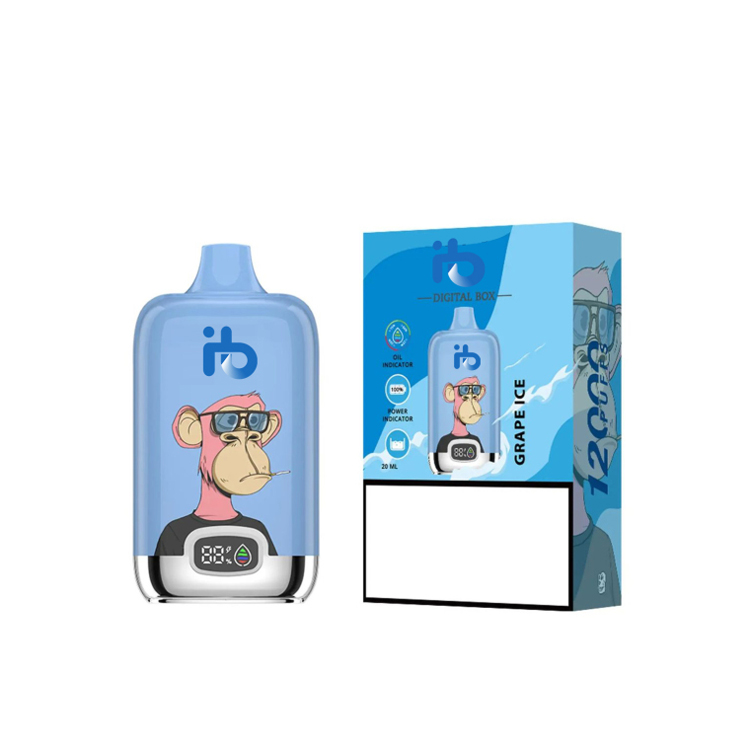 can minimize risks by selecting reputable brands that provide transparent ingredient lists and undergo third-party testing. Reducing nicotine concentrations and avoiding flavored E-Liquid with unknown additives may also help mitigate health dangers. Importantly, non-smokers should avoid initiating e-cigarette use altogether, as the perceived reduced harm is not equivalent to safety.
Public Health Perspectives and Advice
Health experts caution that e-cigarettes are not risk-free and recommend their use primarily as a cessation tool for existing smokers rather than as a recreational product. Increasing awareness regarding the dangers of E-Liquid components and ongoing research into their long-term effects remain critical for users and policymakers alike.
Frequently Asked Questions
- Is vaping E-Liquid safer than traditional cigarettes?
- While vaping eliminates combustion, it still exposes users to harmful chemicals, making it less risky but not completely safe.
- Can e-cigarettes cause lung diseases?
- There is evidence linking vaping with respiratory issues, including chronic bronchitis and other lung conditions, though research is ongoing.
- Are flavorings in E-Liquid safe?
- Many flavoring agents are safe for consumption but their inhalation impacts are not fully understood and may pose risks.
- What should parents know about nicotine in E-Liquid?
- Nicotine is highly addictive and harmful to adolescent brain development; parents should educate children about these dangers.