Understanding Modern Smoke: How e-smoke Compares to Traditional Tobacco
In recent years, conversations about smoking have shifted from a single, familiar narrative to a more complex debate that includes a category often called e-smoke alongside traditional combustible tobacco. If you’ve been trying to understand the real difference between cigarettes and e cigarettes, this comprehensive guide will walk you through the science, the risk profiles, the patterns of use, and the practical implications for personal and public health.

The core concepts: what people mean by “smoke” and “vaping”
The first step in discerning the key difference between cigarettes and e cigarettes is to define terms. A conventional cigarette is a product that burns tobacco and produces smoke containing thousands of chemicals, many of which are toxic or carcinogenic. An e-cigarette, often referred to in public discussion as an e-smoke device, heats a liquid (commonly called e-liquid or vape juice) to create an aerosol, which the user inhales. The composition of that aerosol depends on ingredients like propylene glycol, vegetable glycerin, flavorings, and usually nicotine.
How combustion differs from aerosol generation
Combustion is a chemical reaction that occurs when tobacco and additives are burned at high temperatures, producing tar, carbon monoxide, formaldehyde, benzene and many other hazardous substances. In contrast, most e-cigarettes operate by heating a liquid at lower temperatures to create an inhalable aerosol that may contain nicotine and fewer combustion-specific toxicants. However, fewer does not mean none: heating chemicals can produce new compounds, thermal degradation products and, depending on device and liquid, varying levels of known toxins.
Key functional differences
- Source of exposure: Cigarettes deliver smoke from burning tobacco; e-cigarettes deliver aerosol from heated liquids.
- Temperature and chemical reactions: Combustion creates a wide range of harmful byproducts; aerosolization can generate fewer of those byproducts but may still form harmful substances under certain conditions.
- Customizability and variability: E-cigarettes come in many designs, power levels and liquid formulations, creating wide variability in exposure; manufactured cigarettes are more consistent batch to batch but consistently deliver numerous toxins.
What exactly is in e-liquids and cigarette smoke?
Understanding the ingredients is essential to evaluating health impact. Conventional cigarette smoke contains nicotine, tar, particulate matter, heavy metals and hundreds of chemicals linked to cancer and other diseases. E-liquids typically contain nicotine (though nicotine-free versions exist), solvents like propylene glycol and vegetable glycerin, flavoring compounds and sometimes additives. When heated, some e-liquid components can break down into aldehydes and other potentially harmful chemicals.
Nicotine: a common thread
Both cigarettes and many e-cigarettes deliver nicotine, a highly addictive stimulant. Nicotine itself is not classified as the main carcinogen in tobacco smoke, but it contributes to dependence, cardiovascular stress and developmental harms in adolescents and fetuses. Nicotine exposure during pregnancy or adolescence can disrupt brain development, so the presence of nicotine in e-smoke products is a central public health concern.
Other toxicants and byproducts
While e-cigarette aerosols often contain lower levels of some toxins compared to cigarette smoke, studies have identified volatile organic compounds, flavoring-related aldehydes, ultrafine particles, and occasionally metals derived from device components. The precise mix and concentration vary by product, device power settings, coil composition and user behavior (such as puff duration).
Comparative health risks: what the evidence shows
When assessing the difference between cigarettes and e cigarettes with respect to health outcomes, it is important to separate short-term effects, long-term risks and population-level implications.
Short-term effects
Short-term symptoms of cigarette smoking include cough, shortness of breath, increased heart rate and a rapid rise in carbon monoxide levels, which reduces the oxygen-carrying capacity of blood. E-cigarette users may experience throat irritation, cough, dry mouth and dizziness; some report improved breathing when switching completely from cigarettes to e-cigarettes but results vary.
Long-term disease risks
Long-term cigarette smoking is conclusively linked to lung cancer, chronic obstructive pulmonary disease (COPD), cardiovascular disease, stroke and many other illnesses. Longitudinal data on e-cigarettes is still emerging because widespread use is relatively recent. Current evidence suggests that exclusive e-cigarette use likely carries lower risks for some smoking-related diseases than continued cigarette smoking, but it is not risk-free. E-cigarettes may still contribute to respiratory irritation, cardiovascular effects, and potentially to chronic conditions if use continues for decades.
Harm reduction vs. absolute safety
From a public health perspective, harm reduction means substituting a less harmful product for a more harmful one to reduce population disease burden. Many experts consider that for an adult smoker unable or unwilling to quit nicotine, switching completely to e-smoke devices may lower exposure to many toxicants and therefore reduce some health risks. However, the ideal outcome is complete cessation of all tobacco and nicotine products, because no nicotine-containing product is entirely safe.
Patterns of use, addiction and youth uptake
One of the pressing concerns about e-cigarettes is their appeal to adolescents and young adults. Flavor varieties, sleek device designs, social media promotion and perceived lower harm have contributed to uptake among youth. Nicotine exposure during adolescence can cause long-term brain changes, increasing the risk of addiction and potentially influencing mood and attention. For adults, particularly long-term smokers, e-cigarettes have been used as a cessation aid or a transitional tool, but evidence about their long-term effectiveness for quitting is mixed and depends on behavioral support, product selection and user commitment.
Dual use and unintended consequences
Dual use—concurrent smoking and vaping—is common among some adults and can blunt potential harm reduction benefits because continued cigarette smoking remains the primary driver of smoking-related disease. Public health strategies aim to discourage dual use and emphasize quitting altogether.
Secondhand exposure and community impact
Secondhand smoke from cigarettes is a well-documented public health hazard, responsible for respiratory illnesses, heart disease and cancer in nonsmokers. Secondhand aerosol from e-smoke devices contains nicotine and ultrafine particles and may contain volatile chemicals, raising concerns about indoor air quality and exposure risks to bystanders, especially children and those with chronic diseases. While aerosol exposures are often lower than smoke exposures in many measured compounds, they are not benign and policies frequently treat vaping similarly to smoking in shared public spaces.
Environmental considerations
Disposable e-cigarettes and single-use cartridges have created additional environmental challenges, including plastic waste and electronic components that require proper recycling. Cigarette butts remain one of the most common forms of litter globally, containing cellulose acetate and trapped toxins that leach into ecosystems. Both products have environmental footprints worth considering in broader health and sustainability discussions.
Regulation, standards and product variability
Regulatory frameworks differ widely across countries. Some jurisdictions have strict restrictions on flavors, marketing, nicotine concentration and device design; others take a more permissive approach. Regulation aims to protect youth, ensure product safety and support smokers seeking less harmful alternatives. Product variability—differences in power, coil design and liquid composition—directly affects emissions and exposure and complicates generalizations about safety.
Quality control and labelling
Reliable labelling, quality control in manufacturing and third-party testing help consumers and regulators better understand what is being inhaled. For example, accurate nicotine concentration labels, limits on contaminants, and clear device safety instructions can reduce acute adverse events like overheating or battery failure.
Practical advice for smokers and vapers
If you’re a smoker considering alternatives, or a vaper concerned about health, here are practical, actionable steps grounded in current evidence:
- Prioritize complete cessation of combustible cigarettes if possible, because this offers the greatest reduction in harm.
- If unable to quit smoking with available behavioral support and pharmacotherapy, discuss switching to regulated e-smoke devices as a potential harm reduction strategy with a healthcare professional.
- Aim for exclusive switching rather than dual use; continuing to smoke undermines many benefits.
- For people who do not smoke, especially youth and pregnant people, avoid initiating e-cigarette use; nicotine exposure carries specific developmental risks.
- Choose products from reputable manufacturers with transparent labelling and safety features, avoid modifying devices and follow charging instructions to minimize acute risks.
When to seek help
If you experience persistent respiratory symptoms, chest pain, severe cough, worsening shortness of breath, or any concerning systemic signs while using tobacco or e-cigarette products, seek medical evaluation. Healthcare providers can help evaluate symptoms, recommend cessation resources, and discuss safer alternatives.
How researchers assess the difference and what remains uncertain
Researchers use biomarkers, epidemiological studies, clinical trials and toxicological assessments to evaluate the difference between cigarettes and e cigarettes. Biomarkers track exposure to specific toxicants, epidemiology monitors disease incidence in populations over time, and lab studies examine cellular responses to aerosols and smoke. Uncertainties remain around long-term cardiovascular and respiratory consequences of exclusive long-term vaping, the chronic effects of flavoring compounds when inhaled, and the full population impact as patterns of use evolve.
The role of longitudinal studies
Because many smoking-related diseases develop over decades, long-term cohort studies comparing smokers, exclusive vapers, dual users and never-users are essential. These studies require careful control for confounders such as socioeconomic status, prior smoking history and concurrent exposures. As these data accumulate, public health guidance will continue to be refined.
Balancing individual decisions and public health policy
At the individual level, making an informed choice involves assessing personal health, readiness to quit, and understanding that nicotine dependence is a key factor. From a policy perspective, regulators must strike a balance: making life-saving cessation tools available to adult smokers while minimizing youth uptake and unintended social consequences. Policies that restrict misleading advertising, reduce youth access, encourage product standards and support cessation programs serve both individual and community health goals.
Communication and messaging
Clear, evidence-based public messaging is crucial to avoid confusion. Messages that overstate e-cigarette safety can lead to increased youth use; messages that ignore potential harm reduction benefits can discourage smokers from transitioning away from combustible tobacco. Balanced, nuanced communication recognizes that while e-smoke products may reduce exposure to some toxicants compared with cigarettes, they are not harmless.
Summary and practical takeaways
To summarize the practical implications of the difference between cigarettes and e cigarettes: combustible cigarettes remain the most harmful option due to combustion-related toxins; e-cigarettes typically expose users to fewer combustion-derived toxicants but still deliver nicotine and may produce other harmful or irritant substances. For adult smokers, completely switching to regulated e-cigarette products can reduce exposure to some toxins and, potentially, reduce the risk of some smoking-related diseases. The best health outcome, however, remains complete cessation of all nicotine products. For young people, pregnant people and nonsmokers, initiating e-cigarette use is discouraged.
Final considerations
Decisions about tobacco and nicotine use should be individualized and ideally informed by healthcare consultation. Harm-reduction strategies, tailored cessation support and public policies that protect vulnerable groups all play a role in reducing the global burden of disease caused by tobacco and nicotine products.
FAQ
Q: Is vaping completely safe?
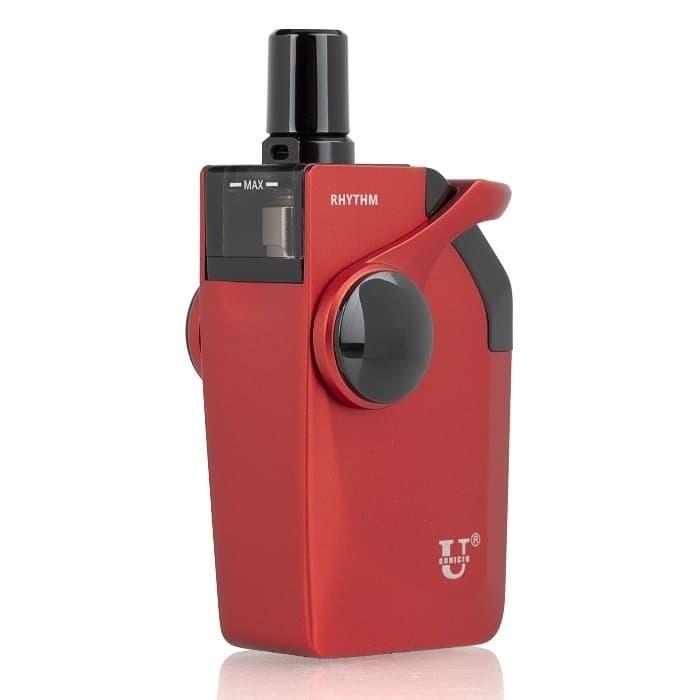
A: No. Vaping is generally considered less harmful than combustible tobacco for many—but not all—health outcomes, primarily because it avoids combustion products. However, e-cigarette aerosol can contain nicotine and other potentially harmful substances, so it is not risk-free.
Q: Can e-smoke devices help me quit smoking?
A: Some smokers have successfully used e-cigarettes as a cessation tool, particularly when combined with behavioral support. Effectiveness varies by individual and product, and nicotine replacement therapies and counseling are well-established alternatives.
Q: Are flavors dangerous?
A: Many flavoring chemicals are safe for ingestion but have unknown safety profiles when inhaled. Some flavorings have been linked to respiratory irritation and other adverse effects in lab studies. Regulatory limits and further research aim to better define these risks.
Overall, the evolving evidence base suggests that understanding the nuanced difference between cigarettes and e cigarettes is essential for making informed choices, crafting effective public health policy, and protecting populations at greatest risk.