Understanding Modern Puff Culture: Separating Facts from Fear
The language around vape devices and the question is e cigarette harmful has evolved into a complex conversation involving health professionals, regulatory bodies, manufacturers and everyday users. This article takes a practical, evidence-minded approach to debunking myths, clarifying real risks and offering actionable strategies so users can reduce potential harm. The content below is structured to help readers quickly find authoritative guidance and to support discoverability for searches related to vape safety and the persistent query “is e cigarette harmful”.
Core Concepts: What “vape” means and why it matters
At its simplest, a vape system heats a liquid to create an inhalable aerosol. That liquid — often labeled e-liquid or e-juice — typically contains propylene glycol (PG), vegetable glycerin (VG), flavorings, and optional nicotine. Because the mechanism is vaporization rather than combustion, the chemical profile inhaled by a user is different from that of burned tobacco. Addressing the question is e cigarette harmful requires nuance: harm depends on composition, user behavior, device quality and pre-existing health conditions.
How harm comparisons are framed
Health professionals commonly compare risks of vaping to combustible cigarette smoking to provide context for smokers considering switching. The consensus in many public health reviews is that while vape aerosols are not harmless, they generally contain fewer and lower concentrations of many toxicants found in cigarette smoke. That said, “less harmful” is not equal to “safe.” Public guidance therefore distinguishes adult smokers seeking alternatives from non-smokers, especially youth, who should avoid nicotine exposure altogether.
Common Myths and the Evidence That Counters Them
Myth 1: Vaping is completely harmless because it’s just water vapor
This simplification drives many misunderstandings. Aerosols from vape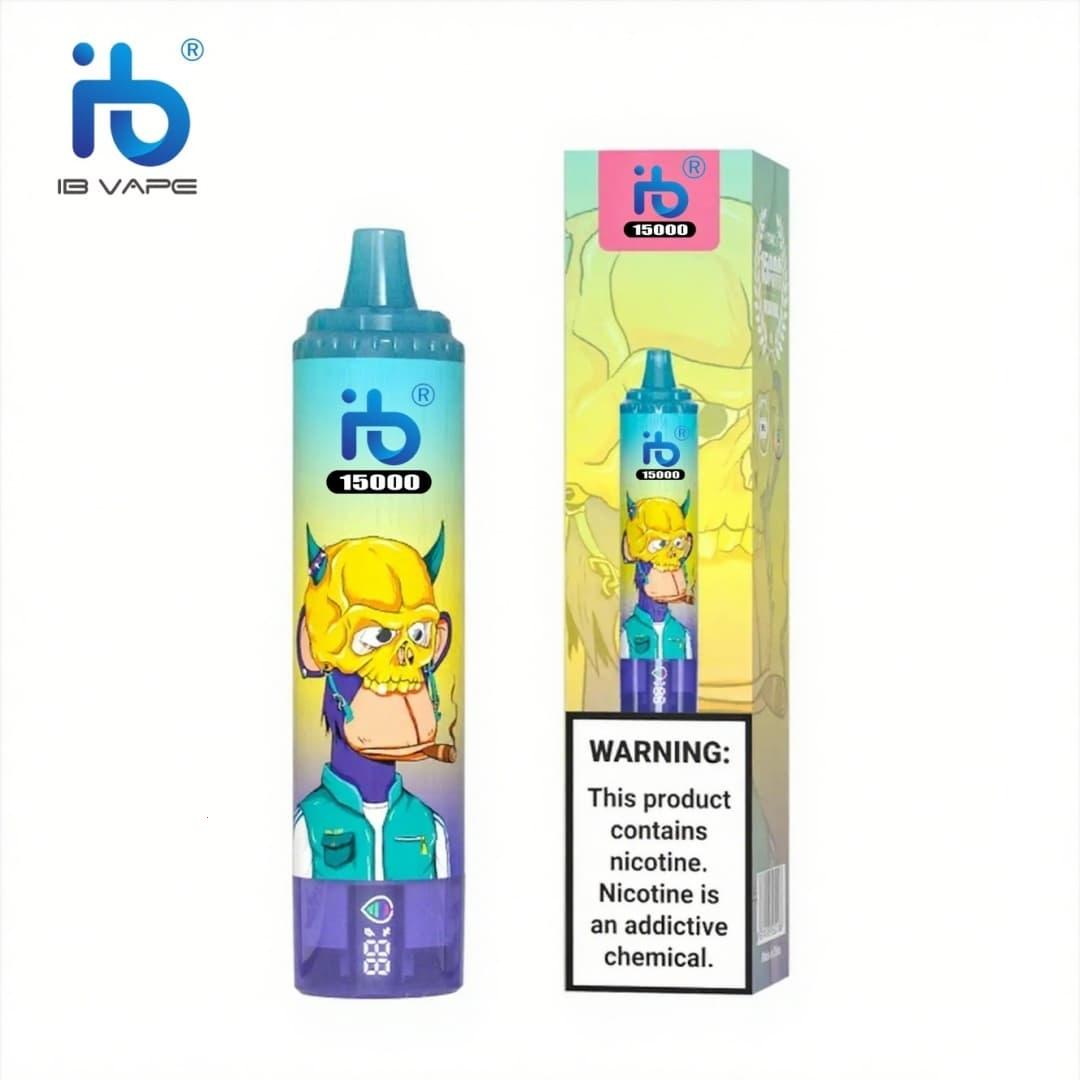 devices are not simple water vapor; they carry nicotine (if included), particles, volatile organic compounds (VOCs) and flavoring chemicals that can produce irritants or other biological effects. Laboratory studies show cellular responses to some e-liquid constituents; epidemiological data are still developing, and long-term cohort outcomes are limited because modern devices are relatively new.
Myth 2: Flavored e-liquids are safe because flavors are “food-grade”
Food safety of flavorings refers to ingestion, not inhalation. When heated and aerosolized, certain flavor chemicals can form new compounds or act as respiratory irritants. Compounds like diacetyl, linked to bronchiolitis obliterans in occupational settings, made headlines in vaping debates. Reputable manufacturers now avoid such known hazardous additives, but product transparency varies. Consumers should look for lab-verified ingredient lists and third-party test results.
Myth 3: Nicotine is the only harmful component
Nicotine is the addictive substance often central to dependence, and it has cardiovascular and developmental effects, particularly harmful to pregnant people and adolescent brains. However, harm from vape use is multi-factorial: solvents, thermal degradation products, metal particles from coils, and bacterial contaminants in poorly maintained devices all contribute. Evaluating “is e cigarette harmful” therefore requires assessing more than nicotine alone.
Understanding Measurable Risks: What studies actually show
Peer-reviewed research spans laboratory assays, animal studies and human observational research. Some key, evidence-based points include: lower concentrations of many carcinogens compared to cigarette smoke; potential for short-term airway irritation and inflammation in some users; possible cardiovascular signals such as changes in blood pressure and heart rate with nicotine-containing products; and unknowns about chronic exposure to aerosolized flavoring agents. Regulatory agencies encourage more longitudinal monitoring to better determine long-term risk profiles.
Particle size and pulmonary deposition
A key technical factor is aerosol particle size, which affects how deeply constituents penetrate the respiratory tract. Many vape aerosols have particle dynamics that enable deposition in bronchi and alveoli, potentially affecting lung function. Measurement studies show variability linked to device power, liquid composition and inhalation patterns.
Metal exposure
Coils and heating elements can shed trace metals (e.g., nickel, chromium, lead) into aerosols under some conditions. While concentrations are typically low, repeated exposure merits caution, especially for vulnerable populations. Choosing devices with durable, well-characterized materials and following manufacturer guidance can mitigate such risks.
Practical Harm Reduction: How current users can reduce risk
Most public health frameworks treat smoking cessation as the priority for combustible tobacco users. For adults who either continue to use nicotine or are trying to quit, a risk reduction approach can meaningfully reduce harm. Below are practical recommendations:
- Choose quality devices and reputable vendors: Buy from reliable brands that provide clear ingredient lists, manufacturing standards and third-party lab reports. Avoid unregulated or illicit products.
- Prefer lower power and temperature settings: High-temperature vaporization increases thermal decomposition of liquids and formation of potentially harmful by-products. Moderating power and temperature reduces this risk.
- Use tested e-liquids: Select e-liquids with transparent sourcing and batch testing. Avoid products containing unknown additives or those marketed with exaggerated claims.
- Limit nicotine where appropriate: If nicotine dependency is not desired, opt for nicotine-free or lower-dose e-liquids and consider behavioral supports for tapering.
- Practice battery and device safety: Follow manufacturer charging guidelines, use compatible chargers and replace damaged batteries to prevent malfunctions.
- Perform regular maintenance: Clean tanks, change coils and inspect seals to limit bacterial growth and metal shedding.
- Avoid adulterated, black-market cartridges: In several outbreak events, illicit cartridges containing vitamin E acetate or other cutting agents were linked to severe lung injury. Stick to tested retail products.
- Keep devices away from youth and pregnant people: Because of developmental and addiction risks, maintaining strict age-limited access is essential.
Behavioral strategies to reduce harm
Minimize frequency and depth of inhalation if nicotine is not the target, avoid chain-puffing sessions that raise aerosol doses, and consider combining vaping with smoking cessation resources if the goal is to stop nicotine altogether. Counseling, nicotine replacement therapies and digital supports can help.
Regulatory Context and What Consumers Should Watch For
Regulation varies widely across countries. Some governments emphasize harm-reduction frameworks that permit regulated sales of nicotine-containing devices to adults, while others restrict or ban flavored products to curb youth appeal. Key policy trends to monitor include device safety standards, ingredient disclosure requirements and restrictions on marketing aimed at young people. Consumers looking for lower-risk options should prioritize compliance with recognized standards and look for devices and e-liquids sold in regulated markets.
Labeling, third-party testing and transparency
Labels that list ingredients, concentrations and batch testing results help users make safer choices. Third-party lab certificates (COAs) that test for contaminants, solvent purity and nicotine accuracy are valuable. When such documentation is absent, exercise caution.
Special Populations: Who faces greater risk?
Some groups are particularly vulnerable to potential harms from vaping. These include adolescents and young adults (due to brain development and addiction risk), pregnant people (potential harm to fetal development), people with pre-existing cardiovascular or respiratory disease, and those with compromised immune systems. For these groups, the safest choice is to avoid nicotine-containing aerosols entirely.
Youth prevention strategies
Effective approaches combine restrictions on marketing and sales, education campaigns that correct myths (for example, that vape use is a harmless trend), and access control measures. Schools, parents and public health organizations play complementary roles in prevention.
Transitioning Away: When and how to stop
For many, vape products serve as a cessation or substitution tool for combustible smoking. If ultimate abstinence from nicotine is the objective, plan a transition strategy. Evidence suggests behavioral support paired with pharmacotherapies or tailored tapering of nicotine concentration can increase success rates. If the goal is partial reduction, monitor health indicators and substance use patterns carefully.
Tools that support quitting
Consider counseling, nicotine replacement therapy (patches, gum), prescription medications where appropriate, and structured quit programs. Digital apps and peer-support communities can add accountability and coping strategies for cravings.
Assessing Your Personal Risk: Questions to Ask
Before choosing to use a vape device, or to continue using one, reflect on several personal variables: Do you currently smoke combustible cigarettes? Are you pregnant or trying to conceive? Do you have respiratory or cardiovascular conditions? Are you under 25? Answers to these questions should guide decisions about whether to use nicotine products and which harm reduction strategies to prioritize. If in doubt, consult a healthcare professional.
When to seek medical attention
If you experience new or worsening respiratory symptoms (shortness of breath, persistent cough), chest pain, palpitations or neurological symptoms after using an e-cigarette, seek prompt medical evaluation. While most events are benign, early assessment helps rule out more serious conditions.
Frequently Asked Questions
FAQ
- Q: Are e-cigarettes safer than cigarettes?
- A: Evidence indicates e-cigarettes generally expose users to fewer toxicants than combustible cigarettes, but they are not risk-free. “Safer” does not equal “safe”, and long-term effects remain incompletely understood.
- Q: What about the phrase is e cigarette harmful — what’s the short answer?
- A: The short answer is: relative harm is lower than smoking combustible tobacco for many measures, but absolute safety is unproven and varies by product and behavior.
- Q: Can vaping help me quit smoking?
- A: Some adults have used regulated e-cigarettes successfully to transition off cigarettes. Combining behavioral support and, when appropriate, medical therapies increases the likelihood of successful quitting.
- Q: How can I reduce risks if I use a vape?
- A: Use reputable products, avoid black-market cartridges, choose lower temperatures, maintain your device, and limit nicotine exposure if possible.
Final Thoughts: Balanced, practical guidance
Public discourse often polarizes the question is e cigarette harmful into absolute positions. For meaningful consumer safety and effective public health, the discussion must be evidence-driven and pragmatic. If you are a smoker considering alternatives, informed switching to a regulated vape product may reduce exposure to certain toxicants, but it should be paired with a plan to reduce or eliminate nicotine. If you are not a smoker, particularly if you are a youth or pregnant, avoidance is the safest course. For all users, choosing quality products, following safety best practices and staying informed about emerging research are essential steps to reduce potential harm.
Disclaimer: This content is informational and not a substitute for professional medical advice. For personalized recommendations, consult a healthcare provider familiar with nicotine use and cessation strategies.