E-Zigarette consumer briefing: balanced insights on risks and expert views
This comprehensive consumer-oriented overview explores the evolving science, public health perspective and practical guidance concerning E-Zigarette products and the central question many people ask: are electronic cigarettes harmful? The aim is to present evidence-based context, clarify common misconceptions, and provide actionable tips for adults, parents and clinicians who want to make informed decisions. The content here blends regulatory updates, toxicology basics, expert commentary and consumer safety considerations to help you understand the trade-offs when faced with vaping devices.
What we mean by E-Zigarette and related terminology
In consumer conversations the label E-Zigarette is often used interchangeably with electronic cigarette, vape, vaping device, e-cig or e-device. For clarity, an E-Zigarette refers to a battery-powered device that heats a liquid (commonly called e-liquid, e-juice or vape juice) to produce an aerosol that users inhale. E-liquids usually contain a solvent base such as propylene glycol (PG) and/or vegetable glycerin (VG), flavorings and often nicotine at varying concentrations. Devices range from disposable pens to refillable pod systems and advanced box mods with adjustable power.
Key components and how they matter
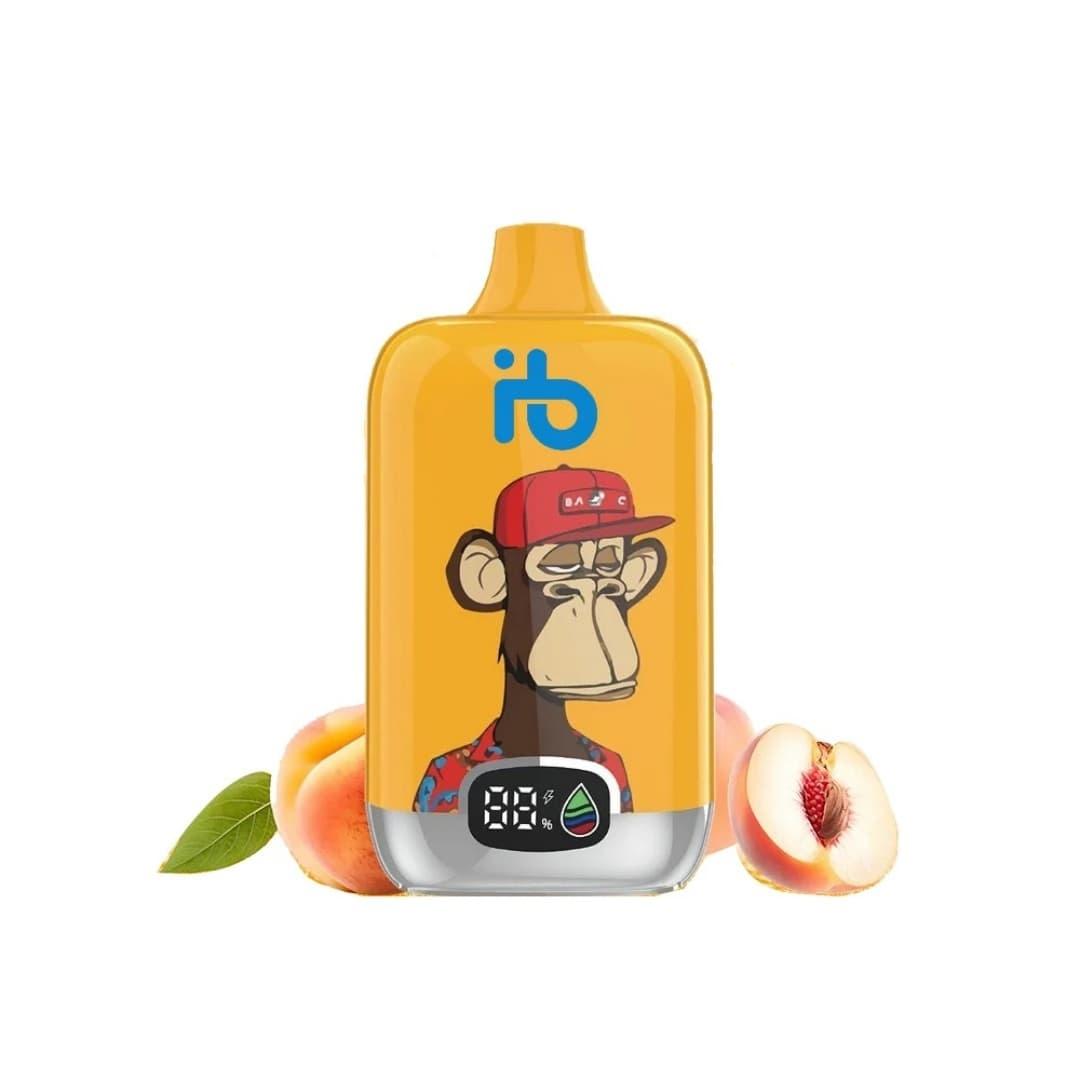
- Battery and heater (atomiser): Controls temperature and drives aerosol production; faulty batteries can pose fire risks.
- E-liquid constituents: PG, VG, flavoring chemicals, nicotine, and sometimes additives such as nicotine salts or cannabinoids.
- Delivery characteristics: Particle size, aerosol temperature and device power influence how chemicals deposit in the respiratory tract.
How to frame the primary question: are electronic cigarettes harmful?

Answering are electronic cigarettes harmful requires nuance. The health impact is not binary. Most experts agree that for adult smokers who completely switch from combustible cigarettes to quality-controlled e-cigarettes, overall exposure to many combustion-related toxins is reduced. However, “reduced harm” is not “harmless.” The extent of harm depends on many variables including nicotine dependence, device type, e-liquid composition, frequency of use and user characteristics like age and pregnancy status.
Short-term health effects and acute risks
Short-term, some users report throat irritation, cough, dry mouth, palpitations or transient dizziness—often related to nicotine dose or aerosol properties. Acute risks include accidental nicotine poisoning (particularly in children who ingest liquid), battery malfunctions and adverse reactions to contaminants in poorly manufactured products. Emergency departments have seen cases linked to high-dose nicotine exposures and, in rare circumstances, severe lung injury when illicit additives are used.
Long-term concerns: what the evidence suggests
Long-term population-level data remain limited because modern e-cigarettes have been widespread for only about a decade. Cohort studies, toxicological models and biomarker research have identified plausible mechanisms for long-term harm:
- Cardiovascular stress: nicotine raises heart rate and blood pressure; aerosol exposure can harm endothelial function.
- Respiratory changes: repeated inhalation of heated aerosols may lead to airway inflammation, altered immune responses and potential for chronic bronchitic symptoms.
- Carcinogenic risk: while many carcinogens present in tobacco smoke are markedly lower in typical e-cigarette aerosol, some flavoring chemicals can produce toxic or potentially carcinogenic by-products when heated.
- Nicotine dependence and youth uptake: increased initiation among adolescents is a major public health worry because nicotine can harm brain development.

What experts now say
Public health bodies employ balanced language. Agencies in several countries emphasize that adult smokers who would otherwise continue smoking may benefit from switching to regulated e-cigarette products as a harm reduction strategy. Simultaneously, these organizations caution against non-smokers—especially youth and pregnant people—starting to vape. Clinical guidance often positions e-cigarettes alongside other cessation tools under careful medical supervision rather than as an unregulated consumer fad.
“E-cigarettes present a mixed picture: lower exposure to many toxicants for smokers who switch entirely, but unresolved long-term consequences and risks of youth nicotine addiction.” — paraphrased consensus from multiple health agencies
Product quality, illicit markets and ingredient transparency
One of the most important distinctions in risk comes down to product quality and supply chain. Laboratory analyses show regulated, factory-produced e-liquids have more consistent nicotine levels and fewer contaminants than unregulated or home-mixed liquids. A key harm event in recent history involved severe lung injury associated with illicit THC vape cartridges adulterated with vitamin E acetate—an avoidable risk when consumers use verified products and when regulators monitor supply chains.
Labeling and testing: what consumers should look for
- Clear ingredient lists and nicotine concentrations.
- Third-party laboratory testing or certificates of analysis for heavy metals, nicotine consistency and residual solvents.
- Child-resistant packaging and tamper-evident seals.
- Battery safety certifications and instructions from reputable manufacturers.
Special populations: youth, pregnant people and people with lung disease
For adolescents and young adults, the consensus is strong: avoid nicotine-containing e-liquids. Nicotine exposure during adolescence can impact brain development and increase the risk of long-term dependence. Pregnant individuals face potential fetal risks from nicotine exposure even if combustion-related toxins are avoided. For people with chronic respiratory conditions such as COPD or asthma, inhaled aerosols may worsen symptoms and should be approached with clinical oversight.
Harm reduction framework vs abstinence approach
Two dominant frameworks guide policy and clinical recommendations: harm reduction and abstinence. Harm reduction recognizes that for long-term smokers who cannot or will not quit with existing therapies, switching completely to e-cigarettes can lower exposure to many harmful combustion by-products. The abstinence approach prioritizes prevention of any nicotine initiation and favors evidence-based cessation therapies (behavioral support, NRT, medications) that have longer-term safety data. Many clinicians combine both ideas—supporting regulated e-cigarettes as one tool among many for carefully selected smokers while maintaining strict protections for youth access.
Practical guidance for consumers
Adults who smoke and are considering an alternate approach should:
- Discuss intentions with a healthcare professional who understands nicotine dependence.
- Aim for complete substitution of cigarettes rather than dual use; dual use offers limited health benefits and sustains nicotine dependence.
- Choose regulated products from established manufacturers; avoid tweaking hardware to extreme temperatures or using illicit cartridges.
- Monitor nicotine dose, pick progressively lower concentrations if the goal is cessation, and consider evidence-based cessation support to stop all nicotine eventually.

Regulation, taxation and public health policy
Governments face difficult trade-offs: restrict availability to reduce youth uptake while preserving adult access as a cessation aid. Approaches include flavor restrictions, age verification, product standards, taxation aligned with harm profiles and public education campaigns. Ongoing surveillance of market trends, poison control data and clinical reports is essential to rapidly detect emergent hazards tied to new products or additives.
Consumer checklist: safe practices
- Never buy unlabelled or black-market cartridges.
- Store e-liquids away from children and pets.
- Follow battery charging guidelines; use the charger supplied by the manufacturer.
- If you experience new respiratory symptoms, palpitations or severe nausea after vaping, seek medical advice promptly.
How to interpret scientific studies you read
Not all studies are created equal. Randomized controlled trials (RCTs) and appropriately powered cohort studies with good confounder control offer stronger evidence than small cross-sectional reports. When evaluating headlines about vaping risks, look for:
- Study type and sample size.
- Funding sources and potential conflicts of interest.
- Whether the study used real-world consumer products or experimental preparations unlikely to reflect everyday use.
Summary: balanced, cautious and evidence-informed
Are electronic cigarettes harmful? The short answer: they are less harmful than combustible cigarettes for adult smokers who completely switch to high-quality products, but they are not harmless. Health risks can include nicotine dependence, respiratory irritation and potential long-term cardiovascular and pulmonary effects that require further study. Youth use, pregnancy and use of illicit products remain significant public health concerns. For consumers the best practices are pragmatic: weigh your smoking history and quit goals, consult healthcare providers, prioritize regulated products and plan to reduce nicotine dependence over time.
Ultimately, the landscape is dynamic. As more longitudinal data become available and product standards evolve, guidance will be refined. Remaining informed and cautious while avoiding absolutist statements helps consumers and policymakers navigate these trade-offs.
If you want quick visual cues, focus on trusted labels, transparent testing and medical supervision for cessation plans rather than anecdotal claims. This approach offers the clearest path to minimizing avoidable risks while addressing nicotine dependence responsibly.
FAQ
- Q: Can e-cigarettes help me quit smoking? A: For some adult smokers, switching completely to e-cigarettes has helped them stop smoking; combining vaping with behavioral support increases the chance of success. Discuss options with a clinician.
- Q: Are flavored e-liquids more dangerous? A: Flavorings are chemically diverse. Many are safe in food but haven’t been tested for long-term inhalation. Some flavors produce harmful by-products when heated. Choose products with transparent ingredient lists.
- Q: Is secondhand vapor harmful? A: Secondhand aerosol contains nicotine and other compounds at much lower levels than tobacco smoke, but exposure is not risk-free—avoid vaping around pregnant people, children and people with lung disease.