As the landscape of tobacco alternatives continues to evolve, the Netherlands stands at the forefront of regulatory frameworks, especially concerning e-cigarettes. In the wake of 2025, significant changes in the regulations governing e-cigarettes are anticipated. Understanding the trajectory of these Netherlands e-cigarette regulations offers a glimpse into future regulatory trends and their implications on consumers and the industry alike.
The Current Context
The Netherlands has historically taken a stringent stance on tobacco control, and this extends to e-cigarettes. Traditionally, regulations focused on restricting youth access, ensuring product safety, and controlling advertising practices. However, the rapid advancement in vaping technology and its widespread adoption necessitates a reevaluation of these rules to better address emerging public health concerns.
The discourse on e-cigarette regulations in 2025 highlights a progressive shift. With data pointing to potential health benefits for smokers switching to less harmful options, alongside concerns about non-smokers, particularly youth, taking up vaping, the government is strategizing ways to strike a balance. The aim is to protect public health without stifling innovation.
Expected Regulatory Changes in 2025
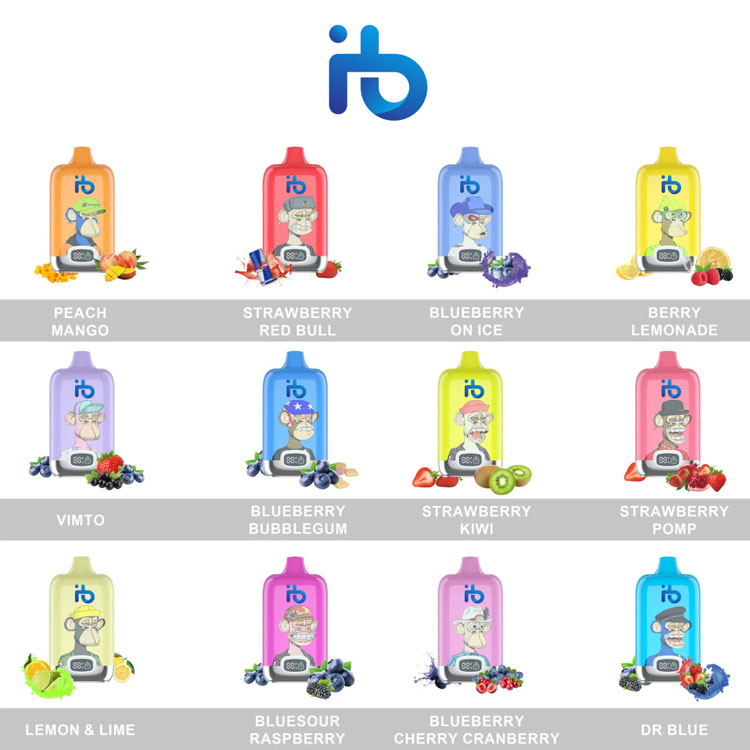
By 2025, several key regulatory changes are expected. Firstly, there will likely be a tighter grip on the marketing and flavoring of e-cigarettes. Flavors appealing to younger demographics are under scrutiny, which may lead to bans on certain sweet or fruity flavors. This reflects a broader European trend aiming to prevent initiation among young people.
Moreover, the nicotine content in e-liquids might see stricter limitations. While the current threshold in the EU is 20 mg/ml, debates continue regarding its adequacy in balancing dependency reduction and public health safety. The regulation adjustments could opt for lower maximum levels, encouraging manufacturers to innovate safer alternatives.
Enhancing Product Standards
Another anticipated change is the enhancement of product standards. Current initiatives suggest that critical scrutiny on ingredients and manufacturing processes will intensify. Enhanced transparency regarding product content and potential health impacts is expected to form a cornerstone of future regulations.
Moreover, compliance with stringent labeling requirements will be imperative. This includes clearer warnings, usage instructions, and reporting any adverse effects. Collectively, these changes aim to empower consumers with better knowledge and foster trust in the products available in the market.
Implications for Stakeholders
For manufacturers and sellers, adapting to Netherlands e-cigarette regulations in 2025 will pose both challenges and opportunities. The increased regulatory requirements could lead to higher operational costs, but they also pave the way for innovation. Companies able to navigate the regulatory landscape successfully will gain a competitive edge through products that align with public health priorities.
Consumers stand to benefit from increased safety and product integrity. Yet, availability may be affected as the market conforms to new regulatory standards. Nonetheless, these changes are designed to ensure that all products meet stringent health and safety criteria.
Looking Ahead
As the Netherlands continues to refine its approach to e-cigarette regulations, other countries might look to its model as a benchmark. The successful navigation of public health objectives alongside market dynamics presents a valuable case study in regulatory evolution.
In conclusion, the Netherlands e-cigarette regulations in 2025 depict a proactive stance on public health, blending consumer protection with industry innovation. Observers and industry players should prepare for a future where adaptability and compliance become key determinants of success.
Frequently Asked Questions
- What are the main objectives of the new regulations?
- The primary goals are to safeguard public health by reducing youth uptake of e-cigarettes, ensuring product safety, and supporting harm reduction for current smokers.
- How will these changes affect e-cigarette prices?
- While tighter regulations may lead to increased production costs, innovative companies might leverage these changes to create premium products, possibly affecting price structures.
Stay informed as these regulatory updates unfold, enabling individuals and businesses to navigate the future landscape of vaping with confidence.