Travel-smart guide for electronic nicotine devices
This comprehensive guide focuses on safe, legal and practical travel precautions for people who carry portable nicotine devices when flying. It is intended to help passengers understand rules about vape pen usage and whether an e cigarette allowed in check in baggage is permitted by airlines, airports and international regulators. The goal is to provide a clear, structured, and actionable resource so you can prepare properly before departure and avoid fines, confiscation, or safety hazards.
At-a-glance rules: carry-on vs checked luggage
Most aviation authorities and major carriers make a strong distinction between cabin baggage and checked baggage for devices that contain batteries and liquids. In short: portable lithium batteries and most active devices are typically allowed in carry-on but restricted or forbidden in checked baggage. However, local rules vary. Key principles to remember:
- Battery safety: spare lithium batteries are generally not allowed in checked baggage because of fire risk; they must be carried in the cabin or have terminals insulated.
- Device type: many airlines allow a single vape pen or similar electronic nicotine delivery device in carry-on if powered off and packed safely; some permit them in checked luggage only if the battery is removed and packaged correctly — but this is less common.
- Liquid limits: e-liquids are subject to liquid rules for cabin baggage (typically containers ≤100ml in a single clear bag) and strict limits for international flights depending on airline and country regulations.
Why most authorities discourage placing devices in checked luggage
There are several aviation safety reasons: thermal runaway or short circuits can cause fires deep inside the cargo hold, where early detection and suppression are more difficult. That is why regulators such as IATA, FAA, EASA and many national agencies give clear guidance: avoid placing lithium-ion devices and spare batteries in checked baggage. To translate that into your travel plan, you should prioritize carrying an e cigarette or vape pen in the cabin when possible.
Examples from major regions
- United States / TSA / FAA: usually allow electronic cigarettes and vape pen devices in carry-on only; do not pack them in checked luggage; nicotine liquids must meet 3-1-1 liquids rule if in cabin.
- European Union / EASA: similar to the US: batteries and devices are usually carried onboard; rules for nicotine strength and labeling may apply in some member states.
- United Kingdom: carry-on is preferred; check specific airline policies for transatlantic or connecting carriers.
- Asia & Middle East: policies vary more: some countries restrict or ban nicotine liquids or devices entirely; pre-check the rules for destination and any transit airports.
How to prepare your device for travel
Follow a simple checklist to minimize problems at security or with the airline:
1) Clean and empty: if carrying spare e-liquid bottles, ensure caps are closed tightly, cleaned externally, and stored upright in a sealed bag.
2) Turn off device and remove battery where possible: many modern vape pen devices have internal batteries and cannot be removed; if yours has removable cells, carry them in the cabin with terminal protection.
3) Insulate terminals: place spare batteries in original packaging or battery cases and tape terminals if necessary.
4) Keep e-liquids under allowed limits: for cabin carry, use travel-sized bottles (≤100ml) and pack them in a clear resealable bag.
5) Label contents: if your e-liquid is nicotine-based, labels and purchase receipts can help during customs checks but do not replace local restrictions.
Packing scenarios and recommended actions
Different trips require slightly different choices. Below are common scenarios and how to handle them:
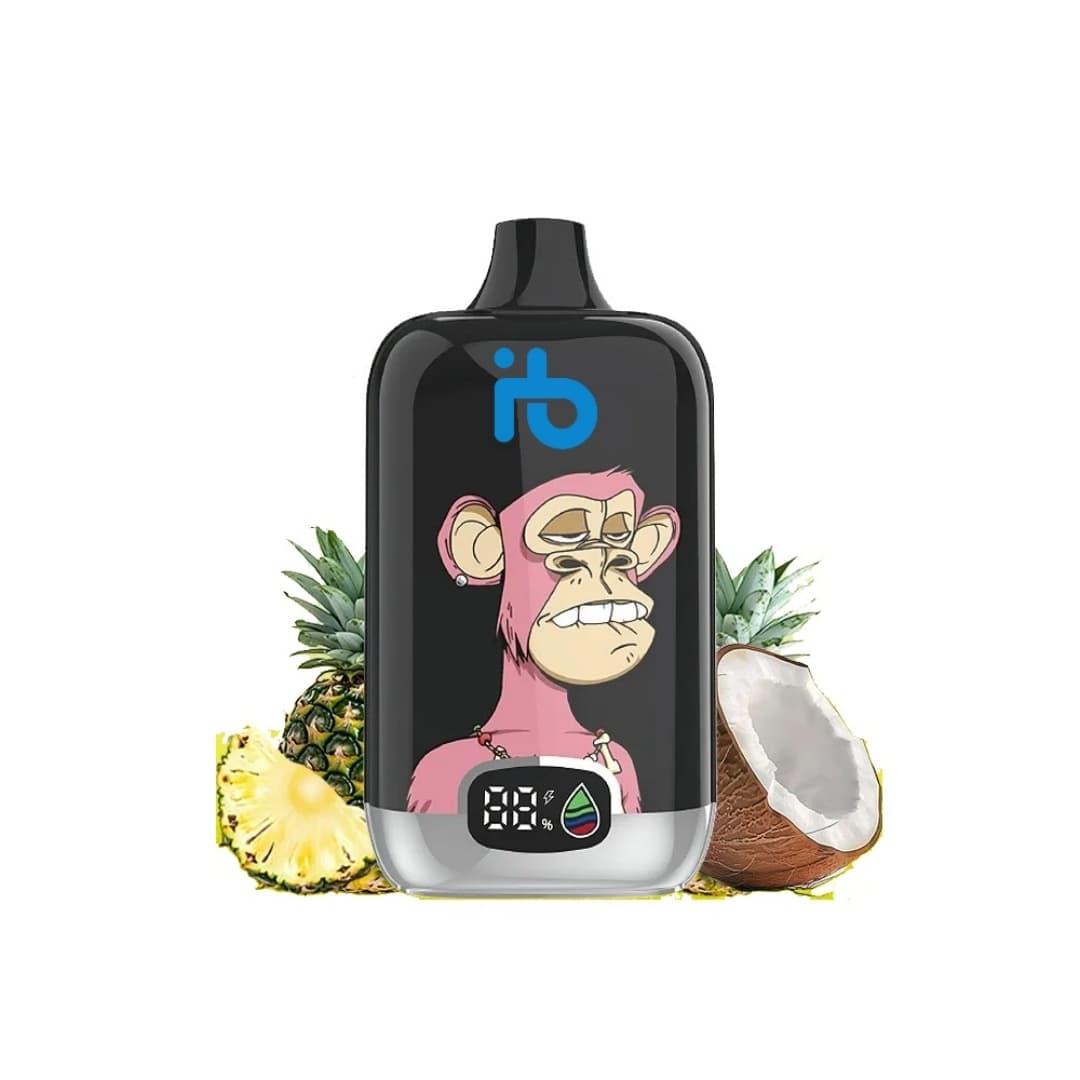
Short domestic flight with carry-on only
Pack the vape pen in your hand luggage. E-liquids should be in ≤100ml containers and in the clear bag with your other liquids. Keep the device powered off and the mouthpiece cleaned; carry a small toolkit for accidental leaks.
International flights with checked luggage
Prefer to keep devices in carry-on even if you check baggage. If you must place something in checked luggage, consult your airline first and remove batteries if possible. Do not put spare batteries in checked luggage under almost any circumstances.
Connecting flights with different carriers
When booking connections, ensure all carriers accept e cigarette allowed in check in baggage policies you plan to use. Some airlines permit certain actions that others forbid — always follow the more restrictive rule where in doubt.
Dealing with security screening
Be ready to remove your device from your bag at security if asked and present liquids separately. At the X-ray stage, security officers may request to power on the device to confirm function; follow instructions politely. Carry receipts and original packaging if you have specialized mods or large batteries to prove legitimacy.
Labeling, documentation and declarations
If you travel with large quantities of e-liquid (for medical reasons or long trips), check customs rules at destination countries. Some jurisdictions require declaration or permit only certain nicotine strengths. Keep invoices, prescriptions (if applicable), and manufacturer labels accessible.
Airline-specific variations and the best practice
Because airline policy differs, your best general practice is: carry the device and spare batteries in hand luggage, keep e-liquids in a 3-1-1 bag if flying in the cabin, and locate the airline’s official policy page before travel. If the airline explicitly permits placing an e cigarette allowed in check in baggage, confirm whether the battery must be removed or terminals insulated.
Safety tips to prevent leaks and fires
- Do not leave devices in hot cars or direct sunlight before or after the flight.
- Keep devices powered off and away from metallic objects that can short terminals (keys, coins).
- Use sealed, upright containers for liquids; consider double-bagging to avoid contamination of other items.
- For longer trips, bring a small fireproof pouch for batteries and devices when not in use.

Packing list: a practical kit for device users
A concise kit reduces stress during travel:
– Device(s) stored in a padded case
– Spare batteries in battery case or original packaging
– Small bottle(s) of e-liquid ≤100ml each in a clear resealable bag
– Cleaning cloths and sealed mouthpiece covers
– Documentation: receipt, ingredients label, and any medical justification
– Small tool kit: spare coils, screwdrivers, and zip-locks
How to handle confiscation or disputes
If an item is confiscated, request a written receipt or report from the authority or airline. For expensive devices, verify if travel insurance or a credit card purchase plan covers loss. If a customs or security officer provides reason for confiscation (e.g., banned substance or device non-compliance), accept the decision and follow the process to appeal later with supporting documents.
Country-specific restrictions and banned items
Some countries completely ban nicotine liquids, flavored e-liquids, or certain device types. Examples include a small number of jurisdictions with strict tobacco control or import restrictions. Always search “[destination] e-liquid rules” or contact the country’s embassy for the latest guidance. When in doubt, assume strict rules and avoid carrying controversial products across borders.
Tips for smooth airport interactions
Be proactive: declare items if required, volunteer information only when asked, and keep all device-related items organized. Security officers have discretion; presenting items neatly and with documentation reduces delays. If traveling with medical-grade nicotine replacement, carry a doctor’s note to prevent misinterpretation.
Common myths and clarifications
Myth: “If the battery is removed, devices are always safe in checked baggage.” Reality: Removing batteries reduces risk but does not always make devices compliant; physical damage or residual charge can be problematic and airline policies vary.
Myth: “All countries treat e-liquid the same.” Reality: Nicotine strength limits, taxation rules, and import allowances differ significantly.
Checklist before boarding
- Verify airline and connecting carriers’ rules for vape pen items and liquids.
- Pack devices and spare batteries in carry-on where possible.
- Place e-liquids in approved small bottles and in a 3-1-1 bag for cabin travel.
- Label and document purchases or prescriptions for large quantities.
- Charge devices before travel but avoid charging on the plane; follow crew instructions regarding use.
If you must check a device
Only consider checked baggage as a last resort, after checking the airline policy. If permitted: remove batteries, drain liquid, clean and dry the device, wrap terminals, and place the device in a protective, fire-resistant container. Even then, risk of loss or damage is higher than carrying items in the cabin.
Practical examples and short scenarios
Scenario A: Domestic flight within a country with permissive rules — you may carry one vape pen in cabin and 50ml e-liquid in your hand luggage. Ensure battery terminals are insulated.
Scenario B: International transit via a country with no tolerance for e-cigarettes — do not carry e-liquids or devices through that airport; seek a secure storage option or ship items by courier (if legal).
Scenario C: Airline allows devices in checked luggage with battery removed — follow the airline’s written instructions and keep proof of the airline’s policy accessible.
Remote resources and official sources
Always consult official sources before travel: airline websites, the Transportation Security Administration (TSA) or equivalent, the International Air Transport Association (IATA) guidance, and customs pages for departure and destination countries. Relying on community forums alone can be risky because rules change frequently.
Environmental and disposal considerations
When travelling abroad, be mindful of local e-waste rules. It is often illegal to discard batteries or e-liquid containers in regular trash. Look for authorized disposal points at airports or local recycling centers. Pack used or partially used e-liquids securely to prevent spills.
Final best-practice summary
To travel confidently: keep your vape pen and spare batteries in cabin luggage, respect liquid limits and labeling rules, verify airline and country-specific regulations, and prepare documentation for any abnormal quantities. If you need to check a device, remove batteries and get airline permission in writing.
Quick safety primer
Do: carry batteries in approved cases, keep devices powered off, pack liquids in sealed bottles. Don’t: place spare batteries in checked baggage, assume rules are the same across countries, or use devices on board unless explicitly permitted by the airline crew.
Additional user-friendly tips
- Place your 3-1-1 bag on top of your carry-on for easy retrieval at security.
- Bring extra zip-lock bags for accidental leaks.
- If in doubt, contact your airline’s customer service or post a question on the carrier’s official social channels for fast clarification.

Why up-to-date info matters
Regulations evolve as devices and battery technologies change. For example, airlines and regulators sometimes tighten rules after incident reports or new research about battery risks. Therefore, ensure you check policies within 72 hours before travel to capture recent updates.
Language and wording when communicating with officials
Use clear, concise terms when speaking with security or airline personnel. For instance: “This is a personal electronic nicotine delivery device. The battery is internally fitted (or removed) and the e-liquids are within allowed carry-on limits.” If you have complex or modified equipment, be ready to show purchase receipts and manufacturer specifications.
FAQ
Q1: Can I put my vape pen in checked luggage?
A1: Generally no — regulators and many airlines recommend carrying devices in the cabin. If you must check a device, contact your airline first and follow instructions such as removing batteries and insulating terminals. Policies vary; confirmation in writing from the carrier is ideal.
Q2: Are spare batteries allowed in checked baggage?
A2: Spare lithium batteries are almost always prohibited from checked baggage. Carry them in your hand luggage in original packaging or a dedicated battery case and tape terminals if needed.
Q3: How much e-liquid can I bring?
A3: For cabin travel most authorities enforce the 100ml per container limit within a single clear resealable bag (3-1-1 rule). International limits and duty-free allowances can differ, so check the destination country’s rules for nicotine-containing liquids.
Q4: What should I do if an airport bans e-cigarettes?
A4: If an airport or country bans these items, you must not carry them through that jurisdiction. Consider shipping items legally before travel or buying supplies locally where permitted. Always respect local laws to avoid penalties.