Understanding Modern Vaping: A Practical, Evidence-Focused Overview
This comprehensive guide examines common beliefs, scientific evidence, and practical considerations about vaping devices often labeled as E-cigarete or electronic nicotine delivery systems. If you’ve searched for answers like do e cigarettes contain tobacco, you’re not alone: consumers, clinicians, and regulators all want a clear, evidence-based explanation. This article avoids marketing language, focuses on peer-reviewed science and regulatory standards, and aims to give a balanced, pragmatic view for curious adults, health professionals, and policy watchers.
The basic anatomy and function of modern devices
At the core, most vaping devices—whether small disposable pods or refillable devices—operate by heating a liquid (commonly called e-liquid, vape juice, or e-juice) until it forms an aerosol you inhale. Components typically include a battery, a heating element (coil), a reservoir for the liquid, and a mouthpiece. Importantly, traditional tobacco leaves are not required for the aerosol generation process: the heating turns the e-liquid into a mist composed of fine droplets and vapor. Because of this, one of the most frequent questions is precisely do e cigarettes contain tobacco? We’ll answer that fully below with nuance grounded in chemistry and regulation.
What is in e-liquid?
There are four main categories of ingredients found in many e-liquids: carrier base(s), nicotine (optional), flavorings, and minor chemical byproducts formed during heating. The carrier base is typically a blend of propylene glycol (PG) and vegetable glycerin (VG). Some products use fewer or additional humectants or additives, but PG/VG are dominant. Nicotine may be absent, present as a freebase form, or present as nicotine salts (a chemistry tweak that changes throat hit and absorption). Flavoring compounds are often food-grade chemicals used to create fruit, dessert, menthol, tobacco-like, or other tastes. Finally, when heated, small amounts of carbonyls (e.g., formaldehyde at high temperatures), volatile organic compounds (VOCs), and particulates can form; concentrations vary with device design, liquid composition, and user behavior.
Key point:
E-cigarete products rely on liquid ingredients, not whole tobacco leaf combustion; therefore, the aerosol chemistry differs from smoke produced by burning cigarettes.
Answering the central question: do e cigarettes contain tobacco?
Short answer: in the vast majority of commercial e-liquids, there is no tobacco leaf or whole-tobacco product in the formulation. The phrase do e cigarettes contain tobacco often stems from confusion between nicotine (a naturally occurring alkaloid in tobacco plants) and the physical presence of tobacco leaves. Many e-liquids contain nicotine extracted from tobacco, which means the molecule nicotine is derived from the tobacco plant through a chemical extraction or synthesis process and then formulated into a liquid. But extraction and formulation are distinct from packing shredded tobacco into a paper and lighting it, as in conventional cigarettes. In other words: nicotine can be tobacco-derived without the product containing tobacco leaf matter.
Clarification: The presence of nicotine does not equal the presence of tobacco leaf or tobacco smoke. Regulatory language often clarifies “tobacco-derived nicotine” versus “tobacco products.”
Why the distinction matters
The differences between vaping aerosol and cigarette smoke are meaningful for chemistry and health. Combustion of tobacco generates thousands of chemicals, many of which are toxic or carcinogenic (tar, carbon monoxide, polycyclic aromatic hydrocarbons). Vaping, by avoiding combustion, typically exposes users to far lower levels of many of these toxins. That said, vaping is not inert: the aerosol contains particulates, metals from coils, flavoring-derived chemicals, and nicotine (when present), each with physiological effects and some with unknown long-term risks. Thus, when addressing whether do e cigarettes contain tobacco, nuance is essential: many e-cigarette liquids contain tobacco-derived nicotine but not tobacco leaf or smoke.
Detailed breakdown: nicotine sources, synthetic options, and labeling
Nicotine found in e-liquids can come from several sources:
- Tobacco-derived nicotine: extracted from tobacco plants using solvent and purification techniques; often the primary commercial source.
- Synthetic nicotine: produced in a lab without direct extraction from tobacco plants; marketed by some manufacturers to navigate regulatory categories and differentiate products.
- No-nicotine: many e-liquids are deliberately free of nicotine to serve users who seek flavors without the psychoactive alkaloid.
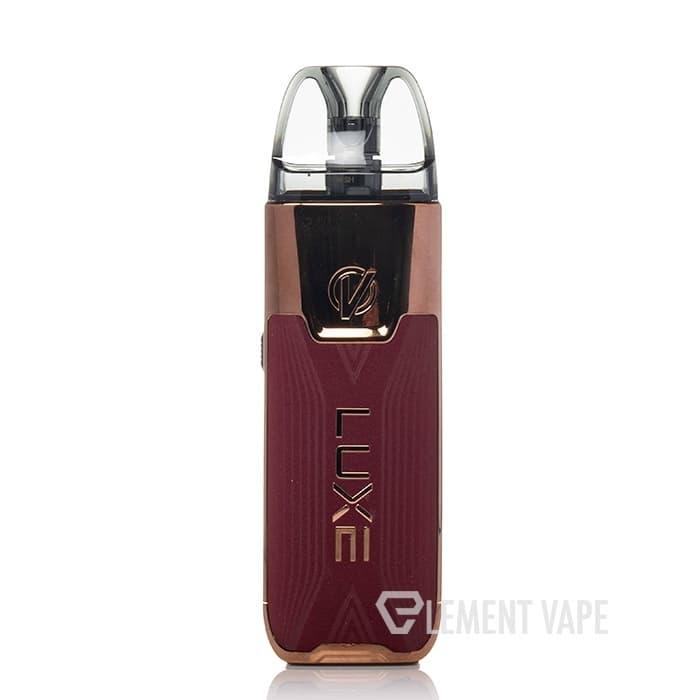
Regulatory frameworks differ by country. In some markets, products with tobacco-derived nicotine fall under tobacco product regulations; in others, synthetic nicotine has been used to attempt regulatory circumventions, though agencies are increasingly adapting. The consumer should read labels, which—when honest and clear—state nicotine levels in mg/mL or percentage. However, labeling quality varies, which is why independent lab analyses have been pivotal in scientific studies and regulatory actions.
Scientific evidence and health comparisons
Public health organizations and peer-reviewed studies generally agree on a few core points: conventional combustible cigarettes are among the most harmful consumer products known, responsible for significant mortality and disease attributable to combustion products; switching completely from smoked tobacco to nicotine-containing e-cigarettes reduces exposure to many toxicants found in smoke but does not eliminate exposure to potentially harmful chemicals; and nicotine itself is addictive and has cardiovascular and developmental effects, particularly relevant for young people and pregnant individuals. This evidence informs public health recommendations that prioritize complete cessation of all nicotine products while recognizing harm-reduction potential for adult smokers who transition fully to vaping as a step away from combustible cigarettes.
Evidence nuance:
Studies measuring chemical constituents typically find that many carcinogens in smoke are present at lower concentrations or undetectable levels in e-cigarette aerosol.This difference stems from the absence of tobacco combustion. However, the variability in device temperature, coil materials, and liquid components leads to a wide range of emissions. Laboratory-based toxicology and population studies continue to refine our understanding of long-term health impacts.
Common myths about vaping debunked
Below are frequent misconceptions and short, evidence-based corrections:
- Myth: E-cigarettes are just water vapor. Fact: The aerosol contains fine particulates, flavoring chemicals, and sometimes nicotine; it is not simple water vapor.
- Myth: Because e-liquids don’t contain tobacco leaf, they are harmless. Fact: The absence of tobacco leaf reduces many toxins, but inhalation of chemicals and particulates still carries risks.
- Myth: All e-cigarettes contain tobacco. Fact: Most do not contain tobacco leaf, though many contain nicotine derived from tobacco; others contain synthetic nicotine or no nicotine at all.
- Myth: Vaping is a proven safe smoking cessation method for everyone. Fact: Evidence supports vaping as an effective cessation aid for some adult smokers, but medical guidance and regulated products are preferable.
What the laboratory analyses show about “tobacco” in e-cigarettes
Chemical assays often seek specific tobacco markers—solanesol, nitrate patterns, or tobacco-specific nitrosamines (TSNAs)—which can indicate the historical presence or processing of tobacco-derived material. When present, these markers usually result from nicotine extraction from tobacco rather than leftover leaf matter in the liquid. In regulated regions, manufacturers must limit TSNAs and other impurities, and independent testing reveals that quality-controlled products have far lower TSNA levels than cigarette smoke. Nonetheless, counterfeit or poorly manufactured liquids may carry higher impurities, underscoring the importance of sourcing products from reputable manufacturers and checking for third-party lab certificates.
Regulation, labeling, and consumer safety tips
Because the composition of products varies, here are practical tips for minimizing risk and staying informed:
- Buy products from reputable brands with transparent manufacturing processes and third-party lab verification.
- Verify nicotine content on labels and cross-check with lab results where available; beware inconsistent labeling.
- Avoid illicit or modified cartridges, especially if the source is unknown. Many severe lung injury outbreaks have been tied to contaminated, black-market cartridges.
- Understand that do e cigarettes contain tobacco
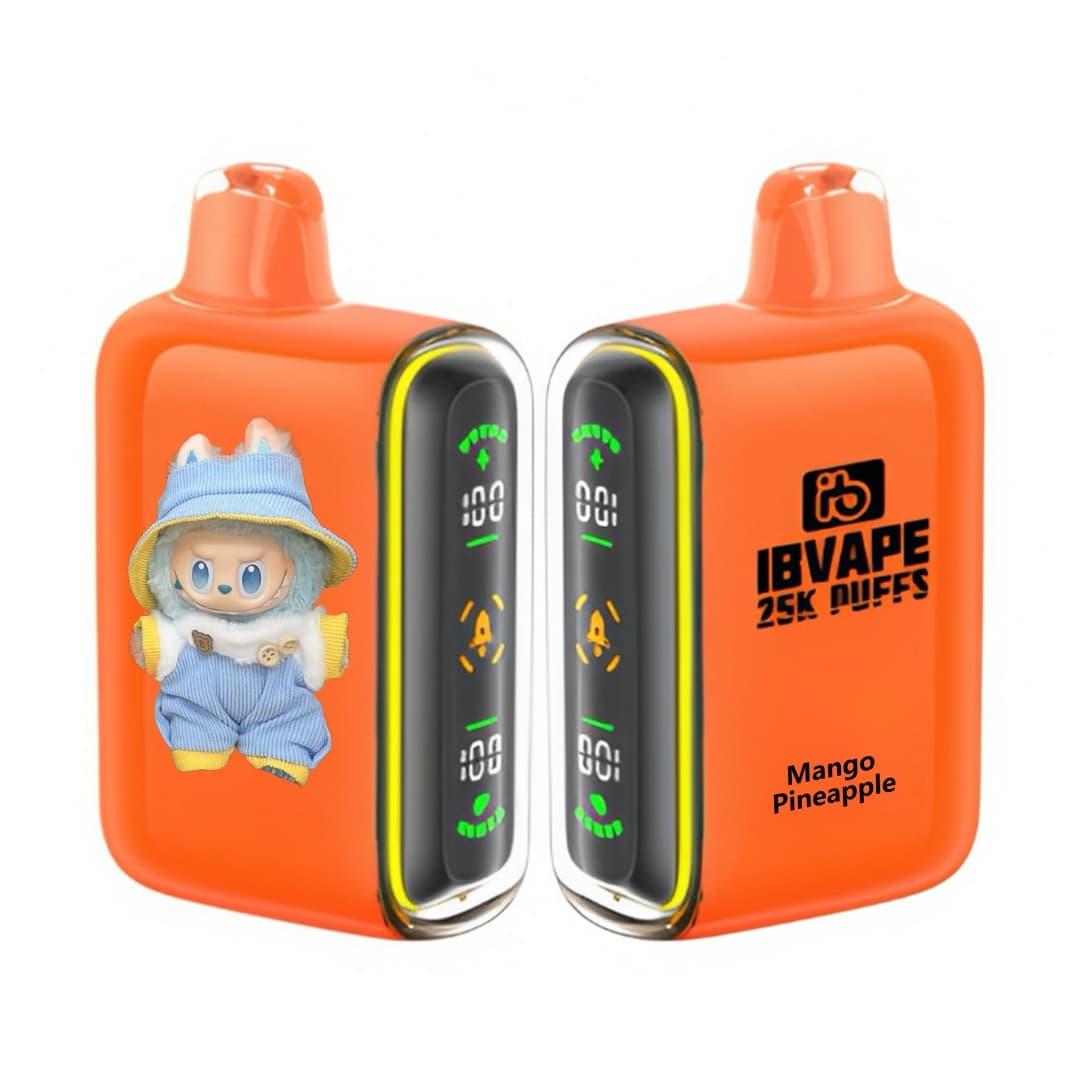 can be answered product-by-product: check whether nicotine source is listed as “tobacco-derived,” “synthetic,” or “none.”
 - Store liquids safely away from children and pets, as concentrated nicotine solutions are toxic on ingestion or skin contact.
 E-cigarete guide to vaping myths and surprises do e cigarettes contain tobacco answered with science backed facts” />
Practical considerations for smokers considering the switch
For adult smokers exploring alternatives, the following points may help with informed decision-making: develop a quit plan with a healthcare provider; consider product types (closed pod systems vs refillable devices) that are known for better nicotine delivery if the goal is smoker transition; choose nicotine formulations (freebase vs salt) based on desired throat hit and nicotine absorption speed; avoid dual use (using cigarettes and e-cigarettes concurrently) if the goal is harm reduction—complete substitution yields the most benefit.
Behavioral and psychological aspects
Vaping retains some ritualistic and sensory aspects of smoking (hand-to-mouth action, inhalation, flavored sensations), which can help some smokers transition away from combustible cigarettes. However, these same behavioral cues can perpetuate nicotine dependence. Counseling, behavioral support, and, when appropriate, pharmacotherapy improve cessation outcomes.
Environmental and bystander considerations
Secondhand exposure to e-cigarette aerosol is generally lower in toxicants than secondhand tobacco smoke, but aerosols do contain nicotine and particulates and may contain other chemicals depending on the product used. Indoor use policies, ventilation, and respect for non-users are still relevant public considerations.
Concluding evidence-based summary
In wrapping up: the question do e cigarettes contain tobacco demands a nuanced response. Most commercial e-liquids do not contain tobacco leaf, yet many contain nicotine that is derived from tobacco plants. The absence of combustion significantly changes the toxicological profile compared to cigarette smoke, usually reducing exposure to many harmful chemicals, but vaping is not risk-free. Product variability, device operation, and individual use patterns profoundly affect emissions and health implications. For adult smokers unable or unwilling to quit nicotine immediately, transitioning completely to regulated, quality-controlled e-cigarettes may reduce exposure to smoke-related toxins—a potential harm reduction step. For non-smokers, youth, and pregnant people, avoiding nicotine-containing products is the safest option.
Further reading and trusted sources
Look for systematic reviews, official public health guidance, and peer-reviewed toxicological studies for the most reliable information. Regulatory agency websites and independent laboratory reports provide data on product constituents and safety testing. When in doubt, consult a healthcare professional about cessation options tailored to your individual health profile.