Understanding the rise and the hidden risks behind modern inhaled devices
The market for disposable and refillable nicotine delivery systems has shifted dramatically in recent years. Phrases like 35000 Züge Vapes have appeared in product claims and marketing, hinting at extremely long-lasting devices measured in “Züge” (German for puffs or draws). Consumers see numbers and aesthetics, but seldom see balanced information about health, safety, and the broader dangers of e cigarettes. This article explores what such high puff-count claims may mean, how they relate to real-world exposure, and why a healthy dose of skepticism — backed by science and public health guidance — is essential. We will unpack chemicals, device mechanics, regulation gaps, accidental harms and practical steps for harm reduction.
What does “35000 Züge” actually promise?
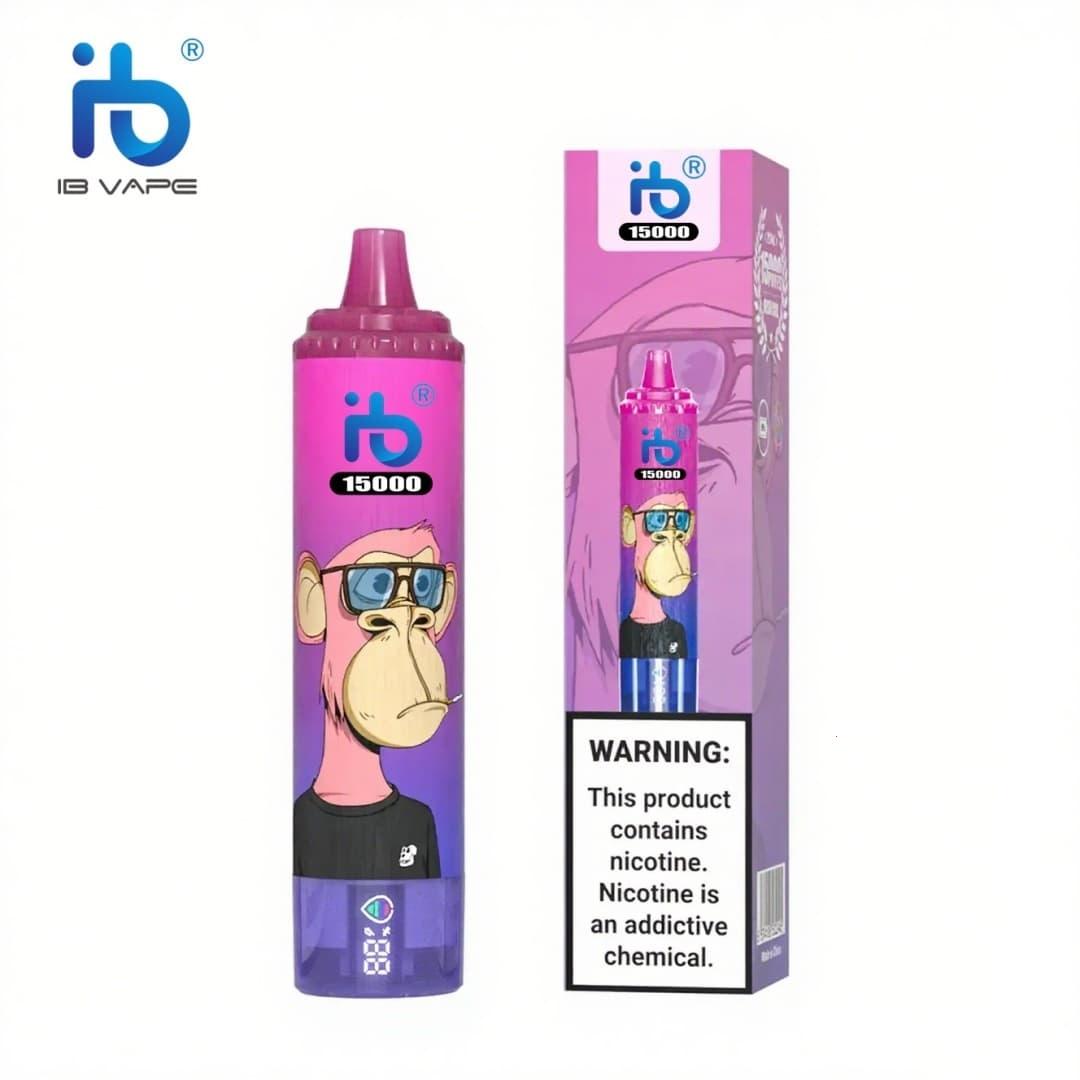
When a product advertises something like 35000 Züge Vapes, it is communicating durability and long use between refills or battery charges. However, those numbers are often theoretical: manufacturers may derive them from lab tests using specific draw volumes and frequencies that do not represent typical human use. The claimed puff count can mask variability in nicotine concentration, coil temperature, inhalation depth, and user behavior — all of which affect exposure to harmful constituents. A high puff-count device does not automatically equal safer or healthier inhalation.
Marketing vs. realistic exposure
In marketing-focused materials, 35000 Züge Vapes functions as a persuasive claim — longer use, perceived value, convenience. But public health experts emphasize that the number of puffs tells you nothing about the chemical dose inhaled per puff or the cumulative dose over days or weeks. For example, some formulations deliver more nicotine per puff while producing different thermal-decomposition products when heated; others may aerosolize more flavoring chemicals that carry their own inhalation risks.
The chemical reality: why “puff count” is not a safety metric
Aerosol chemistry matters far more than declared puff capacity. The dangers of e cigarettes stem from multiple sources: nicotine’s addictive properties, propylene glycol and glycerol thermal breakdown into carbonyls (formaldehyde, acetaldehyde, acrolein), flavoring chemicals such as diacetyl and benzaldehyde, as well as metal nanoparticles from coils and device heating elements. Each of these can impact respiratory and cardiovascular health, immune response and long-term disease risk.
Nicotine: addiction and cardiovascular stress
Any device that advertises long lifespan is likely delivering nicotine repeatedly over time. Nicotine is addictive and acts as a cardiovascular stimulant, increasing heart rate and blood pressure. Regular, frequent usage can maintain nicotine dependence and elevate the risk for long-term cardiovascular disease. Furthermore, nicotine exposure during adolescence or pregnancy can disrupt brain development and fetal growth.
Carbonyls and thermal decomposition
Heating solution components can create toxic carbonyls. Under higher coil temperatures, propylene glycol and glycerol break down into formaldehyde and acrolein; formaldehyde is a known carcinogen and acrolein is a potent respiratory irritant. Puff intensity and device voltage/regulation directly influence these chemical byproducts, so a “35000 Züge” device used aggressively may produce substantial cumulative exposure.
Flavoring chemicals and unknown inhalation toxicity
Many flavorings used in e-liquids are approved for ingestion but not for inhalation. Chemicals like diacetyl, associated with bronchiolitis obliterans (“popcorn lung”), and other buttery or creamy flavoring agents can cause severe airway disease when inhaled chronically. The dangers of e cigarettes include this mismatch between food-safety labeling and respiratory safety.
Metals and particles from device hardware
Coils and heating elements can shed metal nanoparticles (nickel, chromium, lead traces) into the aerosol. Chronic inhalation of metal particles has links to lung inflammation, oxidative stress and potential systemic distribution. The materials used, quality control, and manufacturing shortcuts in low-cost, high-puff-count devices can increase the likelihood of such contamination.
Device mechanics, batteries and acute risks
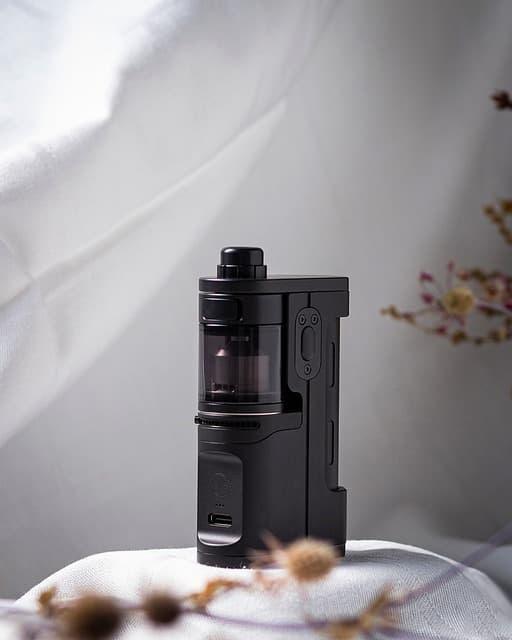
Beyond chemical exposure, physical device failure poses hazards. Lithium-ion battery failures can cause explosions or fires, producing thermal injury and secondary inhalation of combustion products. Improper charging, counterfeit chargers, damaged batteries and user modifications increase risk. Circuits and protective features on some devices are minimal or absent in cheaply produced models promoted with hyperbolic puff counts.
Leakage, burns and misuse
High-capacity disposables or refillable pods can leak, causing skin or eye exposure to concentrated nicotine liquid — a potentially toxic exposure, especially for children and pets. Overheating or rapid repeated activation can cause burns to lips or mouth. Warnings about proper storage and handling are essential but often ignored on colorful packaging targeted at younger consumers.
Reported health outcomes and population-level signals
In clinical reports and observational studies, researchers document a range of outcomes associated with e-cigarette use: acute lung injury clusters (EVALI), increased risk of chronic bronchitic symptoms, exacerbation of asthma, changes in vascular function, and persistence of nicotine addiction. While the long-term population-level carcinogenic risk remains under active study, the combination of known toxicants and increasing use among young people prompts caution.
EVALI and severe respiratory reactions
Although many EVALI cases were linked to adulterants in certain off-market products, the episode underlines that inhaled aerosols can provoke severe lung inflammation. Not all injuries were tied to known contaminants, reinforcing the idea that device variability and novel compounds can produce unexpected harms.
Dual use, renormalization and gateway concerns
One public health concern is that e-cigarettes serve as a complement to cigarettes rather than a complete substitute, resulting in dual use and incremental exposure to toxins. There’s also evidence indicating that nicotine initiation through vaping may increase the risk of subsequent combustible cigarette use among adolescents — a pattern that undermines tobacco-control progress. These dynamics shape the broader societal harms associated with widespread adoption of devices, even those promising “35000 Züge”.
Environmental and disposal impacts
High-puff-count disposables produce electronic waste: lithium-ion batteries, plastic casings, and residual e-liquid that can leach into soil and waterways. The dangers of e cigarettes extend beyond direct inhalation harms to environmental contamination and accidental exposures. Recyclability is limited, and many consumers discard used devices in household trash, compounding environmental burdens.
Regulatory landscape and product quality
Regulation varies widely by country. In some markets, strict product standards, ingredient disclosure, and age restrictions reduce harm and improve oversight. In others, lax enforcement allows low-quality, counterfeit, or adulterated products proliferate — often the very items that claim extraordinary puff counts. When device quality is low, both chemical and mechanical failure risks rise. Consumers relying on numbers like 35000 Züge Vapes without regulatory guarantee may be taking hidden risks.
Labeling, testing and independent verification
Independent lab testing is critical for verifying nicotine levels, carbonyl generation, metal content, and battery safety. Third-party certification and transparent ingredient lists help consumers and clinicians assess relative risk. However, many vendors emphasize marketing claims over transparent toxicological data.
Practical guidance for users and clinicians
- Understand that puff claims are marketing, not safety. Numbers alone do not reflect toxicant dose or device reliability.
- Prefer regulated products with transparent lab testing. Seek devices and liquids that disclose ingredients and provide independent safety data.
- Minimize unnecessary exposures.
 If using nicotine replacement is the goal, discuss medically approved therapies (patches, gum, lozenges, prescription medications) with a clinician; these have clearer safety profiles.
 - Avoid modifying devices. User alterations may increase battery failure and toxicant formation.
- Store away from children and pets. Nicotine liquid is poisonous if ingested, inhaled in concentrated form, or absorbed through skin.
Harm reduction versus abstinence
For adult smokers unable to quit using other methods, some clinicians view e-cigarettes as a possible cessation tool if used exclusively and with clinical oversight. Yet, the presence of dangers of e cigarettes demands caution: unregulated products, youth initiation, and long-term unknowns argue for prioritizing evidence-based cessation methods and limiting population-level access to high-risk products.
How to read manufacturer claims responsibly
- Research independent test reports rather than relying solely on manufacturer specs.
- Look for detailed ingredient lists and measured nicotine delivery per puff where available.
- Consider device durability but weigh it against potential for increased cumulative exposure.
- Question extraordinary claims: if a device promises extremely high puff counts using cheap materials, the tradeoffs may involve greater contaminant exposure or mechanical compromise.
Advice for parents, schools and communities
Young people are attracted to sleek devices and sweet flavors. Educational programs should emphasize the dangers of e cigarettes, including addiction, brain development impacts, unknown long-term respiratory consequences, and the environmental harm of disposable devices. Policies that limit flavor marketing, enforce age verification, and offer youth cessation support can reduce uptake and mitigate harms.
Clinical screening and counseling
Healthcare providers should routinely screen for vaping as part of tobacco-use assessments, ask about device type and frequency, and counsel on cessation resources. Documenting product specifics (brand, flavor, nicotine concentration, whether the product is refillable or disposable) can guide risk assessment and, when needed, clinical management of acute exposures.
Research gaps and priorities

There remain substantial unknowns: long-term cancer risk from chronic e-cigarette aerosols, the systemic effects of inhaled flavoring agents, interactions between e-cigarette use and other environmental pollutants, and optimal strategies for cessation among dual users. High-quality longitudinal studies and standardized lab testing protocols are urgent priorities to better characterize the real-world implications of claims like 35000 Züge Vapes.
Key research questions
- How do different coil types and power settings change toxicant profiles over realistic patterns of use?
- Which flavoring chemicals pose the most significant inhalation hazard and at what exposure levels?
- What are the cardiovascular and pulmonary sequelae of long-term exclusive vaping compared with smoking cessation or ongoing smoking?
Consumer checklist: safe behaviors if you choose to use
For adult users who choose vaping as a tool or alternative, a conservative approach minimizes harm:
- Buy products from reputable manufacturers with transparent testing.
- Avoid high-voltage modifications and unregulated refill mixtures.
- Do not store nicotine liquids within reach of children or pets.
- Charge batteries only with manufacturer-recommended chargers and avoid overnight charging unattended.
- Monitor for respiratory symptoms (persistent cough, wheeze, shortness of breath) and seek medical care if they develop.
Concluding perspective: balancing product claims with public health
Claims such as 35000 Züge Vapes are part of a marketing landscape that emphasizes convenience and longevity. However, the evidence-based perspective emphasizes that puff count is not a marker of safety. The dangers of e cigarettes arise from a suite of chemical, mechanical and behavioral risks that require transparent regulation, independent testing, and informed consumer choices. Reducing harm at the population level depends on better oversight, age protections, accessible cessation supports, and clear public education about the limits of marketing claims.
Final recommendations
Policymakers should prioritize labeling standards, restrict youth-targeted flavor marketing, require third-party testing for toxicants and batteries, and establish disposal/recycling pathways for electronic nicotine delivery devices. Clinicians need to ask about vaping explicitly during health visits and support patients with evidence-based cessation strategies. Consumers should treat puff counts as promotional material and seek products and behaviors aligned with harm-minimization principles.
FAQ
Q: Does a higher puff count mean the device is safer?
A: No. A higher puff count indicates longer use between refills or charges but does not measure the chemical dose per puff, device quality, or thermal decomposition byproducts. Safety depends on device engineering, ingredients, and user patterns.
Q: Are all e-cigarette flavors dangerous when inhaled?
A: Not all flavors are equally risky, but many flavoring agents have not been adequately studied for inhalation. Some, like diacetyl, have established respiratory risks. Absence of ingestion risk does not imply inhalation safety.
Q: How can I reduce harm if I currently vape?
A: Use regulated products with transparent testing, avoid modifying devices, minimize frequency and intensity of use, store liquids safely, and discuss cessation options with a healthcare provider.