E-Shisha insights into vapor: unraveling what makes the smoke in e cigarettes
Vaping enthusiasts, curious newcomers and industry watchers all ask similar questions: what creates the visible plume when you inhale from an electronic device, and how do components like PG, VG, nicotine and coil temperature influence that cloud? This comprehensive guide decodes the science behind vapor generation with clear, actionable information and practical tips for optimizing flavor, throat hit and cloud production. Along the way we will emphasize the brand perspective of E-Shisha while focusing on the central query: what makes the smoke in e cigarettes and why specific choices in liquids and hardware dramatically alter the experience.
Core components that form vapor
To understand what makes the smoke in e cigarettes you must first identify the ingredients and hardware responsible for aerosol creation. Modern e-cigarettes and vape devices produce aerosol, commonly called “vapor” or “smoke” by users, through the rapid heating of liquid on a coil-wick system. Key elements include:
- E-liquid composition: Propylene Glycol (PG), Vegetable Glycerin (VG), nicotine (freebase or salts), flavoring agents and minor additives such as distilled water or ethanol.
- Coil and wick
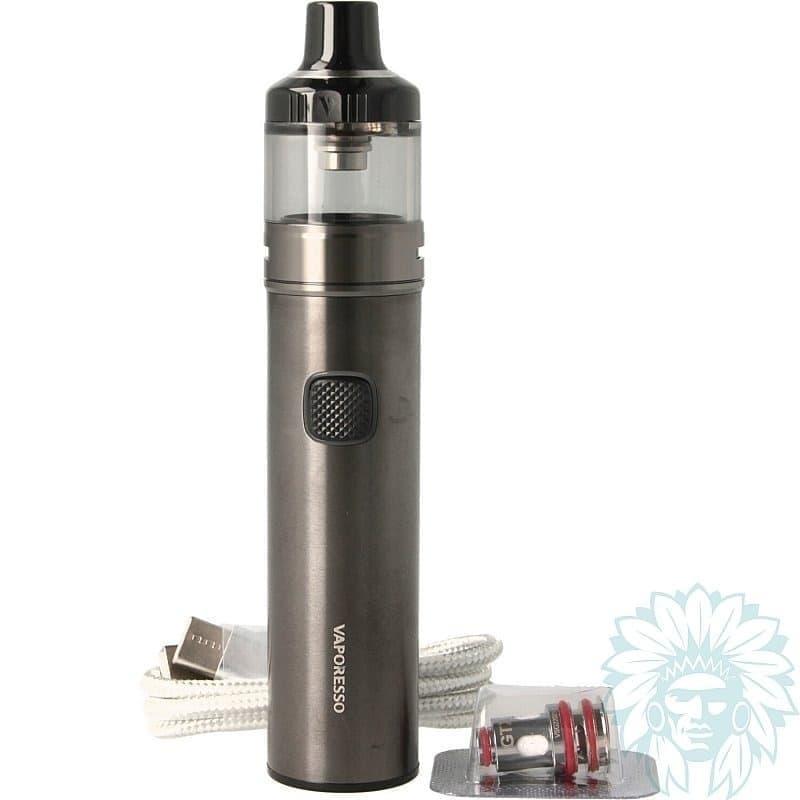
 : Metal coil heats up; the wick (cotton, silica, ceramic) supplies liquid to the coil by capillary action.
 - Battery and power delivery: Wattage, voltage, and the device’s ability to sustain temperature affect vaporization rate.
- Airflow and atomizer design: Air intake and chamber volume shape particle size distribution and visible density.
PG vs VG: the most influential liquid pair
Two base liquids dominate e-liquid recipes: propylene glycol (PG) and vegetable glycerin (VG). Their physical properties determine the look, feel, and flavor of the vapor.
- VG is thicker, more viscous, and denser in molecular weight. It yields larger droplets when aerosolized, creating bigger, whiter clouds that many cloud-chasers prefer. VG is sweeter and mutes certain high-frequency flavor notes.
- PG is thinner, with lower viscosity. It carries flavor more efficiently and produces a stronger throat hit similar to traditional tobacco, but the clouds are leaner and less voluminous than high-VG blends.
Typical blends range from 50/50 (balanced throat hit and vapor) to 70/30 or 80/20 VG/PG for cloud-oriented setups. Pod systems and flavor-focused builds might favor 50/50 or higher PG to preserve nuanced flavor clarity.
Nicotine form: salts vs freebase
Nicotine concentration and chemical form shape the sensory outcome. Freebase nicotine is common in sub-ohm setups and provides a sharper throat hit at higher milligram levels, while nicotine salts allow higher nicotine strengths with a smoother throat sensation due to a lower pH and faster absorption. Although nicotine itself does not substantially change aerosol volume, the choice influences preferred PG/VG ratios and device types, indirectly affecting cloud size and particle distribution.
Thermodynamics: coil temperature and aerosol physics
At the heart of what makes the smoke in e cigarettes is phase change: liquid turns into an aerosol when heated. Coil temperature, which depends on power, coil resistance and heat transfer efficiency, governs vapor production in several ways:
- Evaporation rate: Higher coil temperatures increase the rate of liquid evaporation, producing more vapor per puff. Users perceive this as thicker clouds.
- Particle size distribution: Lower-temperature vaporization favors finer particles, which may appear less dense but penetrate more deeply into the respiratory tract. Higher temperatures create larger droplets that condense quickly into visible clouds.
- Thermal decomposition: Excessive temperatures can cause thermal degradation or pyrolysis of certain flavor compounds and other additives, sometimes producing off-flavors or unwanted byproducts like formaldehyde under extreme conditions. This is why “dry hits” or burnt tastes are a clear sign of overheating or inadequate wicking.

Power, resistance and temperature control
Device settings matter. In wattage mode, power is adjusted to control how fast the coil heats; in temperature control (TC) mode, the device monitors resistance changes to maintain a target temperature. TC-capable metals like nickel (Ni200), titanium (Ti) and stainless steel (in some configurations) help prevent overheating by limiting temperature excursions, which in turn stabilizes vapor characteristics and reduces the risk of producing harmful degradation products. For stable cloud production, match coil resistance, wattage range and recommended e-liquid viscosity.
Wicking efficiency and saturation
Wicking determines how consistently the coil receives liquid. Poor saturation can cause momentary overheating of the coil surface and produce blocked, inconsistent vapor – a critical factor in answering what makes the smoke in e cigarettes. Ensure wicks are well-packed without choking airflow, maintain clean wicking channels, prime new coils and allow adequate soak time after filling tanks or pods.
Role of flavorings and additives
Flavor compounds are chemical molecules that change how vapor looks and tastes. Sugars, certain esters and diacetyl-like compounds influence mouthfeel and sweetness. While most flavoring agents are used at low concentrations, volatiles can affect boiling points and aerosolization characteristics. Some additives (e.g., ethyl maltol) can make vapor appear thicker due to particulate formation when condensed. Responsible manufacturers, including reputable brands like E-Shisha, source food-grade flavorings and optimize formulations to strike a balance between visual appeal and safety.
How airflow changes cloud behavior
Adjustable airflow alters residence time of heated vapor in the chamber and the dilution of the aerosol with ambient air. Greater airflow typically produces cooler, less dense but more voluminous vapor clouds because the aerosol cools faster and expands. Restrictive airflow concentrates vapor, amplifies throat hit and flavor intensity, and can increase apparent density.
Environmental and user variables
Ambient humidity and temperature, inhalation strength, puff duration and device orientation influence what you see. Colder, drier air may make vapor appear more visible as it condenses rapidly. Longer puffs allow for more sustained heating and greater aerosol yield; short, sharp draws often prioritize flavor intensity over sheer volume.
Particle science: why vapor looks like smoke
Aerosol consists of liquid droplets suspended in air. When hot vapor exits the device, rapid cooling causes condensation and droplet formation; the human eye interprets the scattering of light from these droplets as “smoke.” Unlike combustion smoke, which carries a complex mixture of combustion byproducts and solid particulates, e-cigarette aerosol predominantly contains liquid droplets composed of PG, VG, nicotine, water and dissolved flavor compounds. Particle size matters: micrometer-scale droplets scatter light efficiently and create dense visible clouds, whereas sub-micrometer particles are less visible but may travel further into the lungs.
Safety and quality considerations
Understanding what makes the smoke in e cigarettes also involves recognizing safety factors. Use authentic, tested e-liquids and components; avoid unknown additives or poorly labeled products. Important safety reminders include:
- Do not exceed manufacturer-recommended wattage ranges for coils.
- Replace coils and wicks regularly to avoid degraded flavor and potential thermal breakdown.
- Store e-liquids away from heat, light and children; nicotine is toxic in concentrated forms.
- Charge batteries with compatible chargers and observe proper battery safety to prevent failures.
Quality control and regulation
Reputable brands such as E-Shisha adhere to stricter quality controls, analytical testing and transparent labeling. Independent lab reports detailing nicotine strength, solvent ratios and contaminant levels help consumers make informed choices. Regulation in many regions mandates testing for heavy metals, harmful carbonyls and other analytes at high temperatures, an important distinction because coil temperature can elevate the formation of certain toxicants if misused.
Optimizing your setup for desired vapor
If your goal is dense clouds, follow these guidelines: use a higher VG ratio (70% and above), a low-resistance coil with sub-ohm capability, ample airflow, and a battery capable of stable power delivery. For flavor-focused or nicotine satisfaction setups prioritize a higher PG ratio or a 50/50 PG/VG blend, a moderate-power coil, and tighter airflow to concentrate flavor and throat hit. For discretion, choose higher PG blends and small devices that operate at lower power and produce less visible aerosol.
Practical tips
- Match e-liquid to device: thick VG liquids can clog small-bore pod wicks. Use recommended viscosities.
- Prime coils: new coils need time to saturate to avoid dry hits and uneven vapor.
- Start low and increase power: gradually raise wattage to find the sweet spot where vapor is plentiful without harshness.
- Maintain clean airflow: obstructed airflow increases coil temperature and can produce degraded compounds.
Measuring and describing vapor

From a technical SEO perspective, content that answers “what makes the smoke in e cigarettes” benefits users and search engines by covering measurable aspects: particles per cubic centimeter, mass concentration, visual opacity, and persistence. Laboratory-grade instruments like condensation particle counters (CPC), optical particle sizers (OPS) and high-speed imaging quantify aerosol properties that correlate with sensory perception.
Quick summary: Vapor = heated e-liquid droplets. PG/VG ratio plus coil temperature and airflow determine droplet size, density and flavor intensity.
Why terminology matters
Users often call aerosol “smoke.” Clarifying this distinction helps reduce misconceptions and supports public health communication. Smoke from combustion contains soot and charred material; vapor from e-cigarettes is a liquid aerosol largely composed of vaporized solvents and additives. Both may carry chemical constituents of concern at high temperatures, but the underlying physical processes differ fundamentally.
Design innovations influencing vapor characteristics
Recent innovations include mesh coils for more even heating, ceramic wicks for longer life and temperature control algorithms that limit peak coil temperatures for consistent flavor and safer operation. Mesh coils particularly enhance surface area, ensuring faster heating and more uniform vapor production which affects both flavor and cloud geometry.
Role of nicotine strength and user preference
Nicotine indirectly shapes vapor choices: heavy nicotine users often select devices and liquids that minimize aerosol volume while maximizing nicotine delivery (e.g., high-PG salt nicotine in pod systems). Conversely, cloud chasers often opt for low-nicotine concentrations with high-VG mixes to maximize visible vapor while avoiding excessive nicotine dosing.
Maintenance and longevity
Regular maintenance—cleaning tanks, changing coils, checking seals—sustains consistent vapor quality. Degraded coils create uneven heating patterns that alter what you see and taste; replacing them on a predictable schedule ensures your cloud characteristics remain stable.
Environmental impact and disposal
Responsible disposal of e-liquid bottles, used coils and batteries reduces environmental harm. While aerosol is transient in the air, leftover waste must be managed through appropriate recycling and hazardous waste channels, particularly for lithium batteries and nicotine-containing liquids.
Conclusion
In short, the visible plume from an electronic nicotine delivery system results from a complex interplay of chemistry, thermodynamics and device engineering. E-Shisha and other reputable brands design products and formulas that modulate PG/VG balance, nicotine type and coil characteristics to deliver tailored experiences—whether the priority is flavor clarity, nicotine satisfaction, or dramatic clouds. Understanding what makes the smoke in e cigarettes empowers vapers to choose appropriate liquid ratios, adjust power and airflow settings, and maintain hardware to match their personal goals safely and effectively.
FAQ
Q1: Does more VG always mean bigger clouds?
A1: Generally yes: higher VG increases droplet size and visible cloud density. However, device design, coil temperature and airflow also influence cloud production, and excessively viscous e-liquid can cause poor wicking in compact devices.
Q2: Can coil temperature create harmful chemicals?
A2: High temperatures can degrade some flavoring compounds and generate small amounts of carbonyls; using recommended wattage ranges, proper wicking and temperature control modes reduces this risk significantly.
Q3: How do nicotine salts change vapor appearance?
A3: Nicotine salts primarily affect throat hit and absorption speed rather than cloud size. Because salts are often used in pod systems with higher PG ratios and lower power, the overall visible vapor might be less than sub-ohm VG-heavy setups.