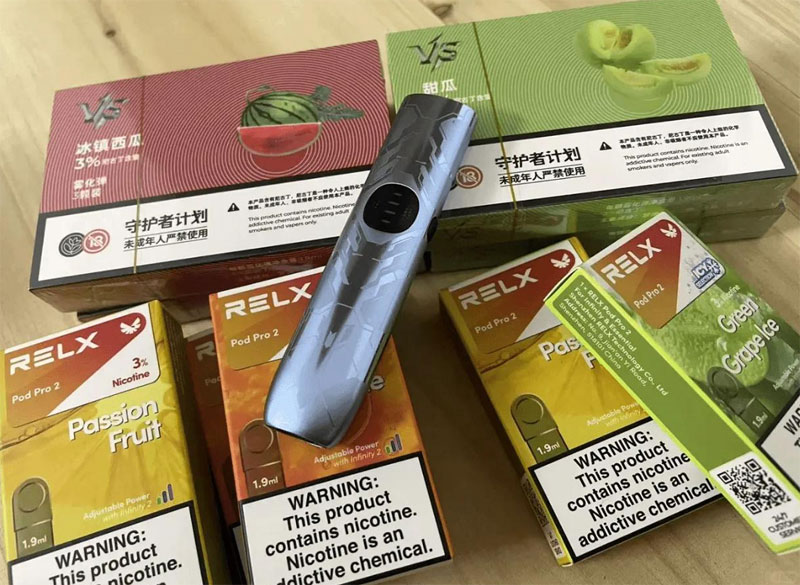
Unraveling the Truth Behind E-Cigarettes: Water and Flavoring Components
The popularity of e-cigarettes has surged globally, positioning them as a widely adopted alternative to traditional smoking. Amongst the myriad of opinions and misconceptions surrounding their composition, one pervasive belief is that most e-cigarettes contain solely water and flavoring. While this notion seems straightforward, it warrants a thorough examination to uncover the actual ingredients within these devices and their implications.
Firstly, it’s imperative to acknowledge that e-cigarettes operate on a mechanism that vaporizes liquid, commonly known as e-liquid or vape juice. This liquid is often marketed as primarily consisting of water and flavoring, supposedly making e-cigarettes a safer option contrary to conventional cigarettes. However, actual analysis reveals a considerably more complex composition.
Breaking Down E-Cigarette Ingredients
The foundation of most e-liquids includes a mix of propylene glycol (PG) and vegetable glycerin (VG). These substances serve as carriers for nicotine and flavoring, enabling the production of vapor. PG and VG are considered food-grade additives, and while casually dismissed as benign, they play a significant role in the vaping experience. Nicotine, an addictive compound, is prevalent in varying concentrations across different e-cigarette products, challenging the notion of harmlessness associated solely with water and flavoring-based vape liquids.
Moreover, flavoring agents in e-liquids span a vast spectrum, often involving safe ingredients used in food production. However, when inhaled, the safety of these components can be debatable, especially since they haven’t undergone the same rigorous safety assessments as they would when consumed through food. Thus, the assumption of e-cigarettes containing only safe food-grade flavoring lacks comprehensive backing.
The Role of Water in E-Liquids
Water does comprise part of the e-liquid formula, but not to the extent widely assumed. Its presence helps in maintaining the liquidity of the juices and can contribute to the overall vaporization process. Yet, this doesn’t implicitly imply that e-cigarettes are analogous to inhaling boiled water with added flavor. The existing systemic dynamics of PG and VG – and their capability to hold moisture – lend more complexity to vape production than merely ‘water and flavors.’
As the e-cigarette sector evolves, so does the scrutiny over its health impacts. Studies increasingly advise stringent regulatory oversight to ensure accurate representation of the products’ contents and effects. This goes beyond mere water and flavoring, emphasizing the need for transparent ingredient disclosure practices.
Debunking E-Cigarette Myths
Regarding the claim that most e-cigarettes contain only water and flavoring, while catchy and simplistic, is misleading. The intricate chemistry underlying e-cigarette vapor production includes not only water and flavor but nicotine and other substances which pose potential health concerns.
Ensuring awareness and accurate information dissemination is crucial; it allows consumers to make informed decisions based on a genuine understanding of what e-cigarettes encapsulate.
- Q: Do e-cigarettes have any health benefits since they mostly contain water?
A: While e-cigarettes are often promoted as less harmful than smoking, their health benefits are not clear-cut. The presence of nicotine and the impact of vapor inhalation should be carefully considered. - Q: Can e-cigarettes aid in quitting smoking?
A: Some individuals find e-cigarettes useful in reducing smoking habits. However, they are not officially recognized as smoking cessation devices, and dependency on nicotine can persist. - Q: Are water-based e-liquids safer than others?
A: Even if e-liquids are water-based, they still contain nicotine and other compounds whose health effects when inhaled can vary; thus, safety is not guaranteed compared to nicotine-free options.