In recent years, the ongoing debate surrounding the prohibition of flavored e-cigarettes has gained momentum, attracting attention from both policymakers and health advocates. While some argue that flavored e-cigarettes should be banned due to their appeal to younger audiences, others highlight the importance of flavors in aiding smokers to switch from traditional cigarettes to less harmful alternatives. To understand the current landscape, we explore the latest updates on the issue and what it means for consumers and manufacturers alike.
Understanding the Rationale Behind the Ban
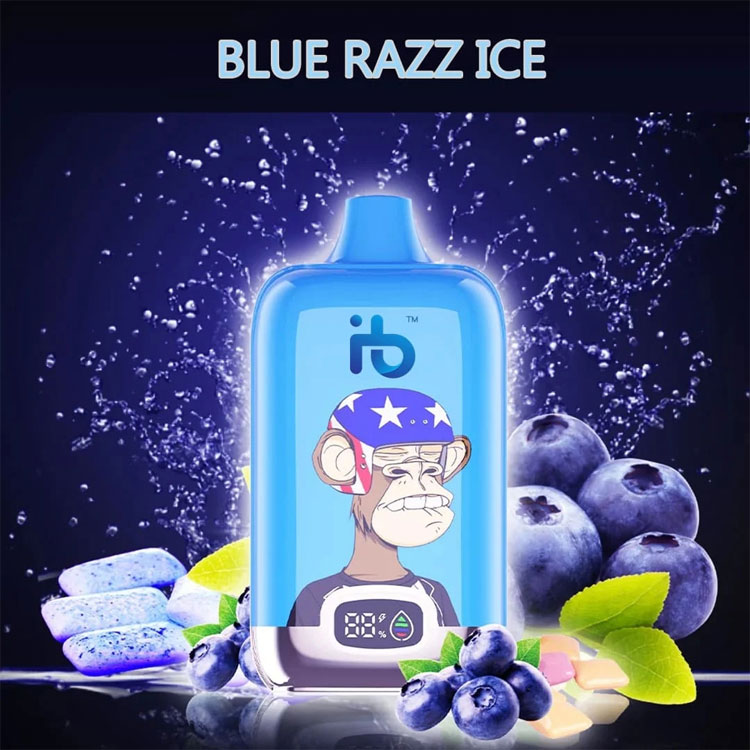
One of the primary reasons cited for the ban of flavored e-cigarettes is their popularity among teenagers and young adults. Critics assert that enticing flavors like fruit, candy, and mint make e-cigarettes attractive to younger audiences, leading to increased rates of vaping. Studies have demonstrated a correlation between flavored e-cig use and a rise in youth vaping, prompting calls for tighter regulations. Nonetheless, supporters of flavored e-cigarettes argue that flavors help adult smokers transition away from combustible cigarettes, reducing overall harm.
Regulatory Measures and Their Impact
 Over the past few years, numerous jurisdictions worldwide have taken action to regulate or ban flavored e-cigarettes. For instance, the United States implemented a nationwide ban on the sale of flavored cartridge-based e-cigarettes, with exceptions for tobacco and menthol flavors, under the Trump administration in January 2020. Many states and cities have gone further, instituting more stringent policies by outright banning all flavored vaping products, including menthol flavors. The European Union has also been involved in discussions around possible restrictions, considering a comprehensive approach in light of varying regulations across member countries. The impact of these bans has been multifaceted, affecting consumers, manufacturers, and public health outcomes. While some users have been dissuaded from vaping due to limited flavor options, others have resorted to DIY flavor creation, prompting concerns over safety and quality control. On a broader scale, manufacturers are grappling with compliance challenges, reevaluating their product lines and marketing strategies.
Industry Shift and Innovation
In response to regulatory pressures, the vaping industry has undergone significant transformations. Companies are investing in research and development to improve existing products and introduce new solutions that satisfy both health regulations and consumer demand. Innovations such as heat-not-burn devices, synthetic nicotine, and natural flavor enhancers are gaining traction, reflecting a shift towards safer and more appealing alternatives. Creative partnerships and initiatives are emerging, with stakeholders collaborating to strike a balance between public health goals and the preservation of adult consumers’ choice.
Cultural and Societal Impacts
The cultural and societal effects of the flavored e-cigarette debate are profound. On one hand, supporters argue that the ban is a step toward curbing youth addiction and promoting healthier futures. Conversely, detractors caution against the prohibition’s potential unintended consequences, such as pushing users towards black-market options. The controversy has sparked conversations about autonomy, public health policy, and the balance between regulation and personal freedom, demonstrating the need for nuanced dialogue.
FAQs on Flavored E-Cigarettes
 Are flavored e-cigarettes banned everywhere?
 Flavored e-cigarettes are subject to varied restrictions depending on the region. While some places have implemented complete bans, others allow select flavors or have no restrictions at all. What is the impact of the ban on smoking cessation efforts? The impact varies, with some evidence suggesting flavored e-cigarettes aid smoking cessation. However, the reduction in flavor options may drive users back to traditional tobacco products. What alternatives are available for affected consumers? Consumers looking for options can explore non-flavored products, nicotine replacement therapies, or emerging technologies like heat-not-burn devices.
Overall, as the landscape around the ban of flavored e-cigarettes evolves, continuous monitoring and research will be essential in ensuring that regulations achieve their intended public health outcomes without unintended adverse effects.