When it comes to quitting smoking, many individuals often turn to nicotine replacement therapies (NRTs) such as nicotine patches and electronic cigarettes. But, is it safe and effective to combine these two aids? This question has become quite prevalent among smokers eager to reduce their cigarette intake while managing nicotine cravings efficiently. The safety and efficiency of using a nicotine patch and an electronic cigarette simultaneously have sparked a plethora of discussions.
Understanding Nicotine Replacement Therapies
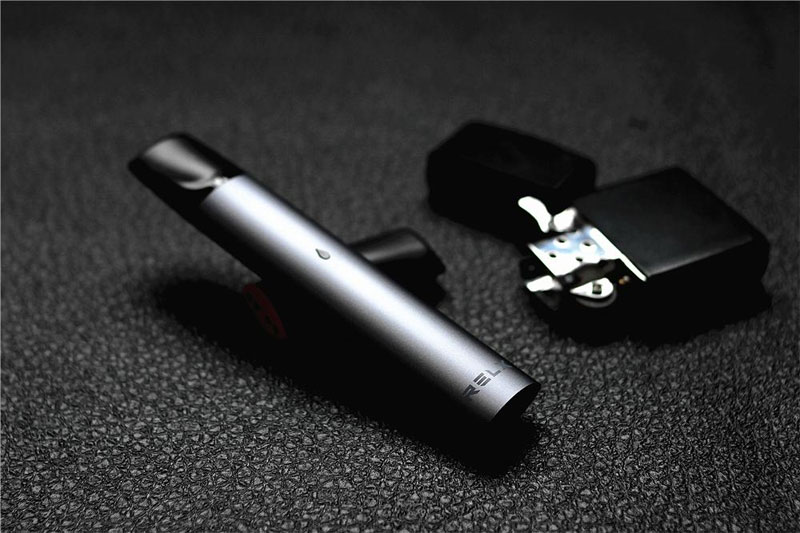
NRTs, including nicotine patches and electronic cigarettes, are designed to help smokers quit by gradually reducing their reliance on nicotine. A nicotine patch is a transdermal deliverance system, providing a consistent dose of nicotine to the bloodstream throughout the day. On the other hand, electronic cigarettes, commonly referred to as e-cigarettes, simulate the act of smoking by delivering nicotine through a vapor.
Benefits of Combining Nicotine Patch and E-Cigarettes

Some users believe that using both methods might offer a more comprehensive solution for overcoming smoking. The patch offers a stable amount of nicotine, which could help alleviate withdrawal symptoms, while an e-cigarette could help manage the behavioral aspect of smoking by mimicking the act itself. This dual approach may also cater to moments of acute cravings that the patch alone may not suffice.
Considerations and Precautions
While combining these nicotine replacement methods might seem advantageous, it is imperative to consider the potential risks. An excessive intake of nicotine could lead to symptoms of nicotine toxicity, including dizziness, headaches, and increased heart rate. Therefore, it is crucial to balance the nicotine intake from both sources. Consulting a healthcare professional before embarking on this combination is always advisable to tailor a personalized plan that aligns with the individual’s smoking habits and health condition.
Effectiveness and Personalization
The effectiveness of mixing a nicotine patch and electronic cigarettes varies from person to person. Factors such as nicotine dependence levels, smoking history, and individual health considerations play a significant role in determining the success of this approach. A tailored plan that caters to an individual’s specific needs could potentially boost their chances of quitting smoking successfully.
If contemplating this method, it is vital to monitor your body’s reaction and adjust the dosages accordingly to mitigate any adverse effects.
Alternative Strategies
If using both the nicotine patch and e-cigarette resonates as overwhelming, alternative strategies could be considered. Gradually reducing nicotine doses through just one method coupled with behavioral therapies might provide a less intensive yet effective means to quit smoking. Alternatively, exploring non-nicotine alternatives such as meditation, physical activity, or counseling can offer substantial support on the journey to cease smoking.
Conclusion
Ultimately, the combination of a nicotine patch and electronic cigarette as a cessation strategy remains subjective and should be approached with caution. The primary goal is to safely reduce nicotine dependence and quit smoking altogether. Hence, engaging with medical professionals to devise a feasible and safe quitting plan is indispensable.
FAQs on Using Nicotine Patch and Electronic Cigarette
Is it safe to use a nicotine patch and an e-cigarette simultaneously?
While some individuals might find success in using both, they should be mindful of the potential risk of nicotine overdose. Consulting with a healthcare practitioner will help navigate this approach safely.
Can using both increase my chances of quitting?
For some, utilizing a dual approach can tackle both chemical and habitual dependencies more effectively, but it heavily relies on personal circumstances and should be personalized accordingly.
What symptoms should raise red flags?
Symptoms like nausea, vomiting, dizziness, and palpitations might indicate excessive nicotine consumption. If these occur, it’s crucial to reassess usage levels and consult a physician.