E-cigarettes have become a popular alternative to traditional tobacco products, often marketed as a less harmful option for smokers. In recent years, their usage has spiked globally, due in part to their perceived benefits over conventional smoking. Nevertheless, the legal framework in Singapore takes a hard stance against the use and distribution of these devices. As it stands, it is illegal to buy, sell, or use e-cigarettes within Singapore. This applies not only to the residents but also to tourists who might bring these devices into the country unwittingly. The law is clear in its opposition to any form of vaping, as illustrated by significant penalties and fines imposed on those who contravene these rules.
The Reason Behind the Ban
The rationale for the stringent ban on e-cigarettes in Singapore centers around health concerns. The Singapore Health Sciences Authority (HSA) has highlighted the uncertainties regarding the long-term health effects associated with e-cigarettes. While they are marketed as a safer alternative to smoking, there is insufficient evidence to prove their safety. The ban also aligns with Singapore’s strong public health policy aimed at reducing smoking rates through rigorous legislation.
Besides health reasons, the government has expressed concerns about e-cigarettes acting as a gateway for youth to start smoking traditional cigarettes. Studies have indicated the allure of flavored e-liquids could influence non-smokers, particularly the younger demographic, thus initiating tobacco consumption habits that would have otherwise been absent.
What Does the Law Say?
The Tobacco (Control of Advertisements and Sale) Act is the principal legislation governing the sale and use of e-cigarettes in Singapore. Under this law, offenders can face prosecution which might result in substantial fines or even imprisonment. Simply put, the rules are designed to deter any form of tobacco use, including vaping, thereby promoting a healthier society. It is crucial for anyone residing or traveling to Singapore to be acutely aware of these laws to avoid inadvertent legal issues.
Consequences of Breaking the Law
If caught in possession of or selling e-cigarettes in Singapore, individuals are liable to a fine not exceeding $10,000 or imprisonment for a term not exceeding six months for the first offense. Subsequent offenses carry harsher penalties, including higher fines and longer prison terms. For corporations found guilty, the penalties are even steeper, emphasizing the government’s zero-tolerance stance towards e-cigarette violations.
- Educating the Public: How Singapore Disseminates Information

Singapore’s government invests substantially in public awareness campaigns about the dangers associated with smoking and vaping. Through media outreach and educational programs, it aims to disseminate critical information about the risks and legal issues surrounding e-cigarettes. Schools and community centers often host workshops and talks to educate individuals of all ages about maintaining a smoke-free lifestyle.
Understanding these stringent measures promotes informed decisions among the population and visitors alike, fostering an environment where health is given precedence over tobacco use.
Is there a possibility of these laws being relaxed?
Given the current health-focused policies of Singapore’s government, it seems unlikely that the ban on e-cigarettes will be relaxed in the near future. Authorities remain steadfast in their goal to minimize smoking and vaping to keep public health risks at bay.
Are nicotine-free vaping devices legal?
No matter the nicotine content, all vaping devices fall under the same category and are subject to the same bans and penalties according to the existing legislation.
If you’re looking for safer alternatives or ways to quit smoking, there are various programs and resources available through health services in Singapore that provide support.
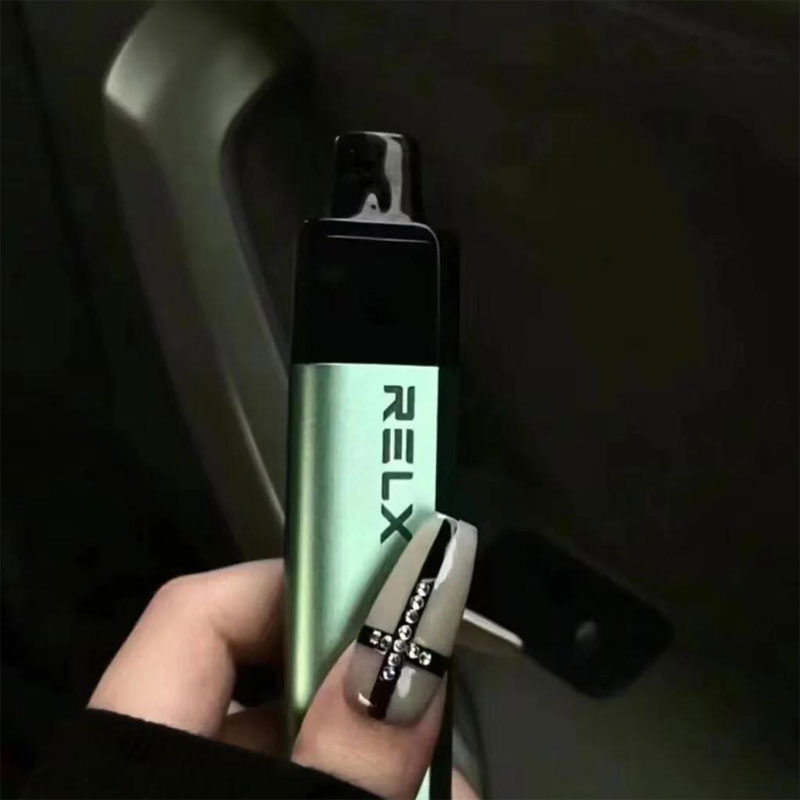
What should visitors to Singapore know about e-cigarettes?

Visitors to Singapore should refrain from bringing e-cigarettes into the country. As part of your travel checklist, ensure you leave vaping devices at home to avoid any legal complications.