Understanding the global impact of e-cigarettes
This comprehensive guide examines the complex question of how many people have died from e-cigarettes, explores the mechanisms that can lead to fatal outcomes, surveys worldwide data, and outlines practical prevention strategies for clinicians, policymakers, and the general public. The goal is not to sensationalize but to contextualize risks associated with e-cigarettes within current evidence, to separate confirmed fatalities from probable associations, and to provide actionable steps that reduce harm while informing ongoing research and policy work.
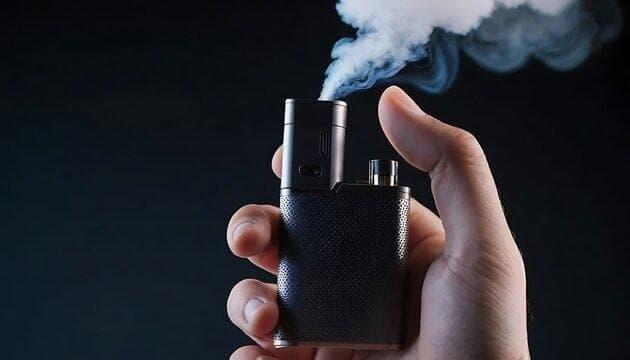
 e-cigarettes and how many people have died from e-cigarettes — investigating worldwide numbers, causes, and prevention strategies” />
Executive summary and scope
When people ask how many people have died from e-cigarettes, they are often seeking a clear numeric answer. The reality is more nuanced: documented deaths directly attributable to acute e-cigarette use are rare compared to conventional tobacco but have occurred, especially in contexts involving adulterated liquids, high-concentration vitamin E acetate used in illicit products, or mechanical failures of devices. Beyond confirmed immediate fatalities, there are longer-term concerns about chronic disease risk, cardiovascular events, and interactions with other substances. This article compiles peer-reviewed studies, public health reports, national surveillance summaries, and forensic case reviews to paint a clearer picture of morbidity and mortality linked to e-cigarettes.
Key terms and clarifications
- e-cigarettes: battery-powered devices that heat a liquid (e-liquid) to produce an aerosol inhaled by the user; includes vape pens, mods, pod systems.
- Vaping-associated lung injury (VALI) / EVALI: an acute lung injury syndrome identified in several countries, often linked to specific contaminants.
- Directly attributable death: a fatality where clinical, toxicological, and forensic evidence links the device or e-liquid to cause of death.
Global surveillance: documented fatalities and where they occurred
Between 2019 and the present, several countries reported fatalities temporally associated with vaping or e-cigarettes. The largest cluster in 2019 was in the United States, where public health agencies identified hospitalizations and deaths related to EVALI. Investigations revealed that many cases were linked to illicit tetrahydrocannabinol (THC)-containing products adulterated with vitamin E acetate. Additional isolated fatal cases have been recorded in Canada, the United Kingdom, and a handful of other nations, often tied to severe acute respiratory distress, cardiac complications, or device explosions causing traumatic fatalities. Exact global counts vary depending on inclusion criteria (confirmed causal link vs. temporal association), but public reports and peer-reviewed literature suggest that the confirmed deaths directly attributed to vaping-related acute lung injury are in the low hundreds worldwide when combining all reported cases and thorough investigations. Numbers evolve as new forensic data are published, and rigorous cause-of-death attribution remains essential for accurate epidemiology.
Why numbers differ between sources
- Variation in case definitions: some datasets include only laboratory-confirmed exposure to specific adulterants, while others count any death following recent vaping as potentially associated.
- Surveillance capacity: high-income countries may identify and investigate cases more thoroughly than low-resource settings.
- Illicit markets: deaths linked to black-market products may be undercounted due to stigma or legal concerns.
Mechanisms by which e-cigarettes can cause death
Fatal outcomes associated with e-cigarettes fall into several categories: acute toxic exposure (e.g., to vitamin E acetate or other adulterants), severe lung injury leading to respiratory failure, cardiovascular events (arrhythmia, myocardial infarction) potentially triggered by nicotine or other constituents, inhalation of toxicants that cause multi-organ failure, and traumatic death from device malfunctions (explosion or thermal burns). Additionally, inadvertent poisoning in children from ingesting concentrated e-liquids and suicidal ingestion of nicotine solutions represent another category of lethal risk. Each mechanism requires different prevention strategies and regulatory approaches.
Case studies that informed policy
Examples from the 2019-2020 EVALI outbreak highlighted the dangers of unregulated mixtures: several fatal cases were linked to patients using THC cartridges obtained on the illicit market. Toxicology commonly detected vitamin E acetate in bronchoalveolar lavage fluid. This finding shifted policy emphasis toward cracking down on illicit supply chains and educating consumers about adulterated products.
Comparative risk: e-cigarettes vs. combustible tobacco
Comparing mortality burdens is complex. Combustible tobacco causes millions of deaths annually worldwide through well-established causal links to cancer, cardiovascular disease, and pulmonary disease. In contrast, acute fatalities directly tied to e-cigarettes are far fewer but notable because many users, including adolescents, may be experimenting with novel devices and products. Public health strategies must balance the lower observed acute mortality from vaping against long-term risks, the potential for nicotine addiction in youth, and the possibility that vaping may sustain smoking habits or lead to dual use.
Preventive measures and harm reduction
- Regulatory controls: licensing of manufacturers, testing and banning of harmful additives, and strict oversight of the supply chain reduce the risk of contaminated products.
- Product standards: limits on nicotine concentration, mandatory safety features to prevent battery failures, child-resistant packaging for liquids, and prohibition of certain diluents can reduce acute harms.
- Public education: informing consumers about the risks of illicit products, the signs of vaping-related lung injury, and safe storage of e-liquids.
- Clinical guidance: protocols for emergency departments to recognize vaping-associated injuries, toxicology screening recommendations, and follow-up care for survivors.
- Harm reduction strategies: for adult smokers unwilling to quit, regulated e-cigarettes may be a less harmful alternative to combustible cigarettes, but the messaging must emphasize cessation and avoidance by youth.
Clinical presentation and management of severe cases

Severe vaping-related injuries often present with respiratory distress, hypoxemia, chest pain, gastrointestinal symptoms, and constitutional signs such as fever and weight loss. Imaging can show bilateral infiltrates consistent with chemical pneumonitis or diffuse alveolar damage. Management includes respiratory support up to extracorporeal membrane oxygenation (ECMO) in refractory cases, corticosteroids in many reported episodes, and multidisciplinary critical care. Toxicology and product analysis are crucial to identify causative agents and inform public health responses.
Policy responses that reduced fatalities
After clusters emerged, many jurisdictions implemented targeted interventions: temporary bans on certain flavored products that attracted youth, enforcement actions against illicit distributors, public advisories warning against unregulated THC cartridges, and enhanced surveillance. These interventions, coupled with clinical alerting, contributed to declines in reported EVALI hospitalizations in some regions. However, policy must evolve to adapt to new device types, formulations, and markets.
Data limitations and research priorities
Estimating how many people have died from e-cigarettes requires stronger global surveillance, standardized case definitions, and collaboration between toxicologists, clinicians, forensic pathologists, and public health authorities. Research priorities include longitudinal cohort studies to estimate long-term mortality risk, toxicological characterization of emerging additives, and behavioral studies to understand dual use and transition patterns between vaping and smoking.
Practical recommendations for clinicians, parents, and policymakers
Clinicians should inquire about vaping history in patients presenting with respiratory, cardiac, or unexplained systemic symptoms; report suspected cases to public health authorities; and counsel patients on cessation resources. Parents should secure e-liquids out of reach, recognize poisoning signs in children, and have open conversations about nicotine addiction. Policymakers should strengthen product testing, enforce supply-chain integrity, and fund surveillance and education programs that target high-risk populations.
How to interpret statistics responsibly
Numbers reported in media headlines can be misleading without context. When evaluating claims about fatalities, ask: Was the death directly caused by a vaping product or temporally associated? Were the products obtained legally or on the illicit market? Was toxicological analysis performed? Responsible interpretation reduces misinformation and supports proportionate policy responses.
Key takeaways
- e-cigarettes have been linked to acute fatalities, but confirmed deaths are relatively uncommon compared with long-established tobacco mortality; however, rare catastrophic events, contamination, and device failures can be fatal.
- Clusters of vaping-associated lung injury have taught important lessons about the dangers of unregulated additives and the role of illicit markets.
- Prevention requires a combination of regulation, product standards, clinical readiness, and public education.
Resources and where to find authoritative data
For up-to-date information on cases and fatalities, consult national public health agencies, peer-reviewed journals, and international bodies that publish surveillance summaries. Clinicians should use official clinical guidance documents for diagnosis and treatment pathways. Researchers seeking raw datasets should pursue data sharing agreements and collaborate with toxicology laboratories for product testing.
Further reading
Selected literature includes systematic reviews of vaping-associated lung injuries, forensic case series detailing fatal outcomes, and policy analyses on the effectiveness of regulatory interventions. These sources collectively inform a cautious, evidence-based approach to both minimizing deaths linked to e-cigarettes and leveraging potential harm reduction opportunities for adult smokers.
Conclusion
Answering the question how many people have died from e-cigarettes requires careful interpretation of evolving data. Confirmed fatalities directly attributed to vaping-related acute injuries remain comparatively uncommon but are highly consequential when they occur. Strong surveillance, enforcement against illicit products, public education, and clinical preparedness are the most effective strategies to prevent future deaths. Policymakers and clinicians must maintain a balanced approach that protects youth and prevents contamination while supporting adult smoking cessation through evidence-based interventions.
This content synthesizes findings from peer-reviewed research, official health agency reports, and clinical case series to provide a comprehensive, balanced view. It does not replace professional medical advice. For suspected poisoning or acute respiratory distress after using a vaping product, seek emergency care immediately and report the product to local health authorities.
Frequently asked questions
- How immediate are the risks of death after vaping?
- Most documented fatal cases involved severe respiratory compromise developing over days to weeks; however, traumatic events like device explosions can cause immediate lethal injuries.
- Are legal products safe?
- Regulated products that meet strict manufacturing and testing standards pose lower risk than illicit, adulterated items, but regulatory frameworks vary by country and do not eliminate all risk.
- Can vaping lead to long-term fatal diseases?
- Long-term data are still emerging. While vaping likely reduces some risks compared with combustible tobacco for adults who entirely switch, the lifetime mortality impact remains an active research area.