Comparing E Cigarettes to Traditional Cigarettes: Key Differences and Health Considerations
As the global conversation around tobacco harm reduction evolves, the discussion about e cigarettes compared to cigarettes has become increasingly prominent. Smokers, healthcare professionals, and policymakers alike are seeking accurate information regarding how these alternatives measure up in terms of risks, benefits, and overall impact on public health.
Understanding E Cigarettes: What Sets Them Apart?
E cigarettes, also known as electronic nicotine delivery systems (ENDS) or vapes, operate by heating a liquid—often containing nicotine, flavorings, and other chemicals—into an aerosol that the user inhales. Unlike traditional cigarettes, which burn tobacco to deliver nicotine, e cigarettes rely on vaporization, eliminating the combustion process that produces smoke and myriad toxic substances.
- No Tobacco Combustion: Traditional cigarettes depend on burning tobacco, which releases harmful tar, carbon monoxide, and thousands of other chemicals. By contrast, e cigarettes produce vapor, not smoke, potentially reducing exposure to many of these toxic by-products.
- Variety of Flavors: E cigarettes offer a range of flavors, from classic tobacco to fruit and dessert options, which may affect their appeal but also raises concerns about attracting younger users.
- Nicotine Delivery: Both products can contain nicotine, but the levels can vary significantly in e cigarettes, and some e-liquids are available nicotine-free.

Health Impacts: E Cigarettes Compared to Cigarettes
When examining e cigarettes compared to cigarettes, a central concern is their relative health effects. Decades of research have firmly established that cigarette smoking is associated with a host of fatal diseases, including lung cancer, chronic obstructive pulmonary disease (COPD), heart disease, and stroke. This is largely attributed to the inhalation of toxins and carcinogens produced through combustion.
In contrast, several studies—though still evolving—have indicated that e cigarettes result in significantly fewer and lower levels of harmful compounds in the aerosol. For instance, Public Health England and other health organizations suggest that, while not risk-free, vaping is far less harmful than smoking combustible tobacco. However, the long-term effects of vaping are not fully known, given their shorter history of use.
Potential Benefits of Switching to E Cigarettes
- Smoke-Free: By eliminating smoke, vaping reduces exposure to carcinogenic tar and carbon monoxide that contribute to smoking-related diseases.
- Fewer Chemicals: E cigarette aerosols generally contain fewer toxins compared to cigarette smoke, potentially lowering health risks.
- May Aid Quitting: Many smokers have turned to e cigarettes as a tool for quitting or reducing conventional cigarette use.
Risks and Limitations of E Cigarettes
Despite the notable reductions in toxic chemical exposure, e cigarettes are not without risks. Nicotine itself is highly addictive and may impact adolescent brain development, fetal growth during pregnancy, and cardiovascular health. Moreover, recent reports have highlighted rare cases of lung injury related to vaping, predominantly associated with illicit or improperly manufactured products. It’s important to note that long-term data is still being collected, and the full health profile of e cigarettes remains under scrutiny.
Secondhand Exposure: Vapor vs. Smoke
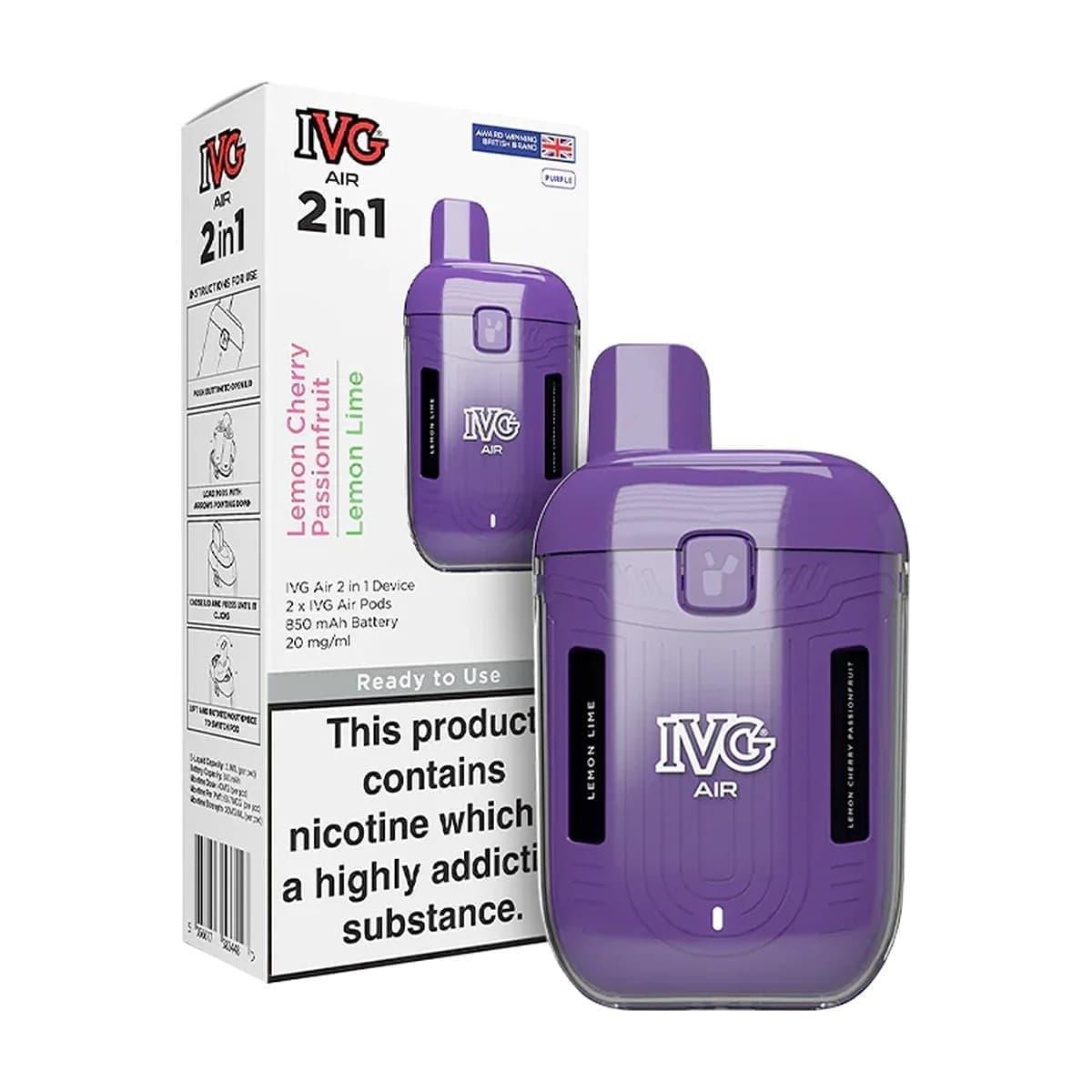
Secondhand smoke from traditional cigarettes poses well-documented dangers to non-smokers, including increased risks of respiratory diseases, heart attacks, and cancer. The aerosol emitted from e cigarettes, often called “vapor,” contains fewer pollutants than cigarette smoke, significantly reducing risks to bystanders. However, the vapor can still carry nicotine, ultrafine particles, and chemicals, which may present some level of risk—especially for people with respiratory conditions, children, and pregnant women.
Public Perception & Regulation
Public perception continues to shift as more data emerges regarding e cigarettes compared to cigarettes. Regulatory responses differ globally: some countries restrict or ban e cigarette sales, others regulate nicotine content and marketing, while some encourage vaping as a smoking cessation tool. Ongoing controversy exists over youth uptake, as enticing flavors and easy online access can drive adolescent use, posing significant challenges for public health authorities.
Environmental Impact: E Cigarettes versus Conventional Cigarettes
Discarded cigarette butts are among the most littered items worldwide, persistently polluting ecosystems and water sources with toxins. E cigarettes, while not environmentally ideal, generate less litter from lack of burned filters but introduce separate concerns about battery disposal and electronic waste. Both product types leave an environmental footprint, but the forms and impacts differ.
Are E Cigarettes a Better Choice?
Experts generally agree that for current adult smokers, switching entirely from traditional cigarettes to regulated e cigarettes reduces exposure to the most harmful components found in tobacco smoke. However, non-smokers—especially youth—should avoid starting any nicotine-containing product due to risks of addiction and unknown long-term effects. The cautious consensus remains: vaping is safer than smoking, but not completely safe.
Practical Advice for Smokers
- For Adult Smokers: Switching to e cigarettes may significantly lower health risks, especially if quitting smoking altogether remains challenging. Seek professionally regulated vaping products and monitor your nicotine intake.
- For Non-Smokers: There is no health benefit to initiating use of either product. Nicotine is addictive, and the safest option is not to start.
- For Parents and Educators: Awareness campaigns and close monitoring can help prevent youth vaping and address misconceptions about product safety.
Conclusion: The Evolving Landscape
As research continues, so too will recommendations about e cigarettes compared to cigarettes. While current evidence supports harm reduction benefits for switching smokers, the importance of ongoing surveillance, stringent regulation, and robust public education cannot be overstated. Each individual’s situation is unique, so consulting healthcare professionals for personalized advice is wise.
FAQ: Common Questions about E Cigarettes and Cigarettes

- Are e cigarettes completely safe?
- No. While e cigarettes are considered less harmful than traditional cigarettes, they still contain nicotine and other substances that may pose health risks, especially with long-term use.
- Can e cigarettes help me quit smoking?
- Many users have successfully transitioned from smoking to vaping as a means to reduce or quit smoking. However, the effectiveness can vary, and professional support may improve your chances.
- Does e cigarette vapor harm others around me?
- E cigarette aerosol contains far fewer toxins than cigarette smoke, but it can still introduce nicotine and some chemicals into the environment. Policies and courtesy suggest avoiding vaping around non-users, especially children or pregnant women.