When understanding “what is e cigarette vapor,” it’s pivotal to delve into its composition and the process by which it’s created. Unlike traditional cigarettes, e-cigarettes utilize a liquid solution, often termed e-liquid or vape juice, which is converted into vapor. This vapor is essentially a mist comprised of small liquid droplets. The primary constituents of e-liquid include nicotine, flavorings, propylene glycol (PG), and vegetable glycerin (VG).
What Exactly is E-Cigarette Vapor?
E-cigarette vapor is the end product created when an e-liquid is heated by the device’s atomizer. The atomizer is powered by the battery, which activates when the user inhales or presses a button on the device. The heating process turns the liquid in the e-cigarette into vapor, which is then inhaled into the lungs. It’s crucial to note that the resulting vapor does not contain some of the harmful substances found in traditional cigarette smoke, such as tar and many carcinogens.
The Role of Propylene Glycol and Vegetable Glycerin
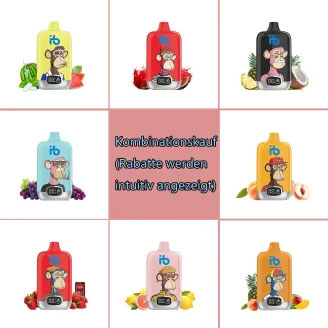
Propylene glycol (PG) and vegetable glycerin (VG) are two primary components forming the base of e-liquids. PG is a synthetic liquid used to create artificial smoke or fog for theatrical performances. It carries flavor well and provides a throat hit similar to smoking. VG, extracted from plant oils, is thicker and sweeter, providing vapor clouds and a smoother taste. The ratios between PG and VG can significantly alter the vaping experience, influencing the throat hit, flavor depth, and vapor production.
The Significance of Nicotine
Nicotine in e-cigarettes serves the same purpose as in traditional cigarettes: satisfying cravings. However, e-liquids come in varying strengths, allowing users to tailor their nicotine intake. This versatility can be crucial for individuals looking to reduce dependency gradually. It’s pivotal for users to balance nicotine levels to avoid excessive consumption, which can lead to addiction or adverse health effects.
The Importance of Flavorings
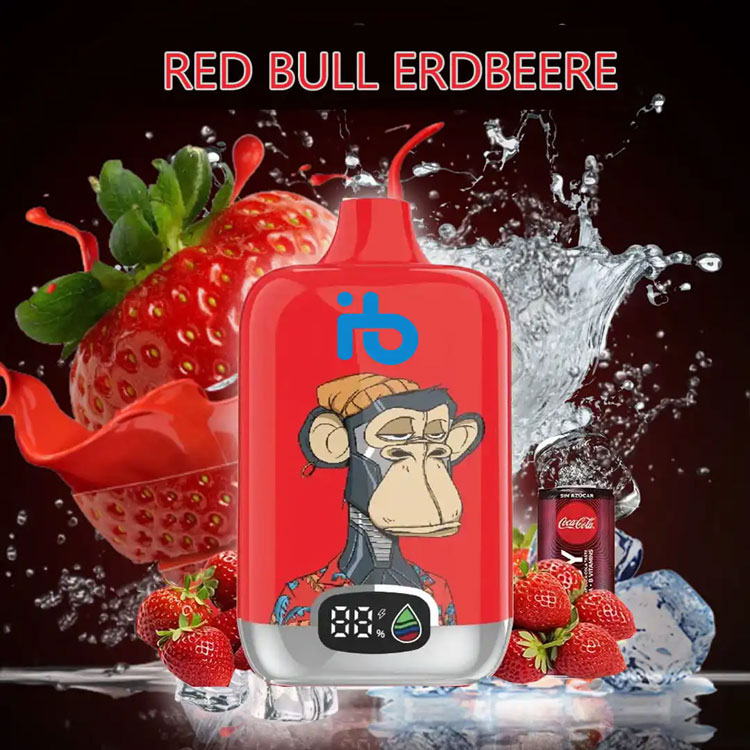
Flavorings are central to the appeal of vaping, offering a myriad of choices ranging from traditional tobacco to fruit, dessert, and savory flavors. These flavorings must be food-grade quality, ensuring safety upon inhalation. The vast array of flavors available is one reason many people switch to vaping, finding it a more enjoyable alternative to smoking.
Understanding the Chemical Transformations
During vaporization, e-liquids undergo a physical transformation, turning from liquid to gaseous form. The chemical makeup shifts subtly as the elements are heated. This transformation is central to the vaping experience, dictating how flavors are perceived and how the vapor affects the throat and lungs. While this might sound technical, the underlying process is relatively simple, similar to how water vaporizes when boiled.
The Health Implications
- While e-cigarette vapor lacks some harmful elements of traditional smoke, its long-term health effects remain under study. Some concerns revolve around the inhalation of other substances created during vaporization.
- Another critical point is the potential for nicotine addiction, posing a health risk akin to smoking.
FAQs: Extended Thoughts
Are e-cigarettes healthier than traditional cigarettes?
Many believe e-cigarettes are a safer alternative due to the absence of tar and many carcinogens found in cigarette smoke. However, they are not without risk, and ongoing studies aim to better understand the health implications.
What affects vapor production?
Vapor production is primarily influenced by VG and PG ratios, device wattage, and coil temperature. Higher VG content typically results in more vapor.
Can flavors affect health?
Flavors themselves are generally safe when food-grade, but certain chemicals used to create flavor profiles can have health implications if inhaled over time.