When we delve into the intriguing world of electronic cigarette parts, it becomes essential to understand how these innovative devices work. Often referred to as e-cigarettes or vapes, these devices offer a modern alternative to traditional smoking by utilizing a variety of components to deliver nicotine or flavored vapor to the user. The growing popularity of vaping is not merely a trend but a technologically fueled innovation harnessing the principles of electronics for recreational use.
Understanding the Fundamental Components
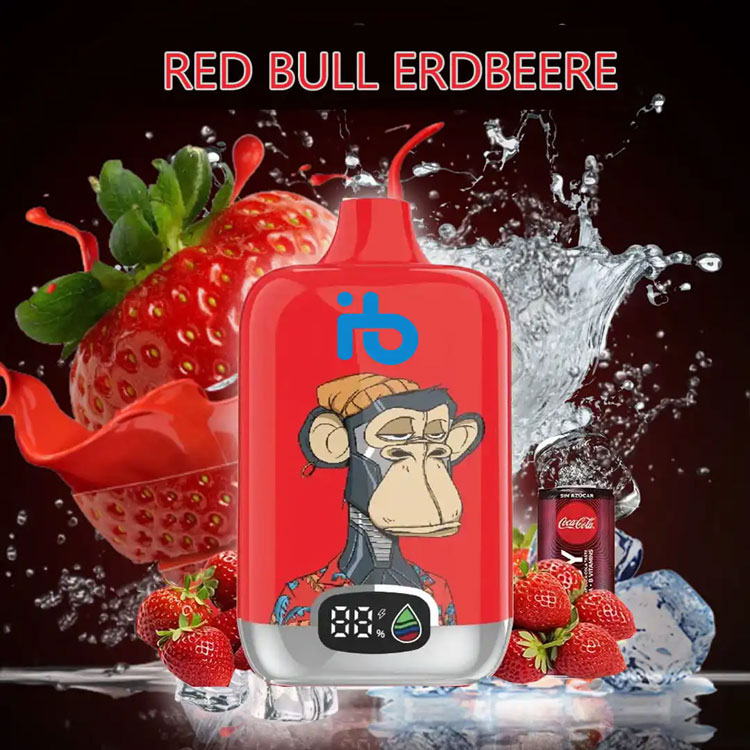
At the core of every electronic cigarette lies a set of vital components. Each part contributes significantly to the overall function and experience of the device. The primary components include the battery, atomizer, e-liquid, coil, tank, mouthpiece, and chipset. Together, these create the mechanism through which e-cigarettes operate, converting liquid into vapor through heat.
Battery: The Powerhouse
Arguably the most crucial part of any electronic cigarette is its battery. Typically, these are rechargeable lithium-ion batteries that provide the necessary power to heat the coil. The battery’s lifespan is a key concern for users, and it depends heavily on usage patterns, capacity, and maintenance.
Atomizer & Coil: The Heating Core

The atomizer is often housed within the tank and works closely with the coil. The coil, a small metal piece usually made of kanthal, stainless steel, or nickel, is responsible for turning the e-liquid into vapor. When activated, the coil heats up, vaporizing the e-liquid soaked into its wicks. The quality and type of coil can significantly affect the flavor and vapor production, influencing the overall vaping experience.
The Role of E-Liquid
The e-liquid, also known as vape juice, is what gets transformed into vapor. It generally comprises four main ingredients: propylene glycol (PG), vegetable glycerin (VG), flavorings, and nicotine. Users can choose e-liquids with varying nicotine strengths and flavors, catering to personal preferences. The ratio of PG to VG in the e-liquid impacts the throat hit and vapor thickness, thus allowing customization.
Tank & Mouthpiece: User Interface
Another crucial component is the tank, the reservoir that holds the e-liquid. Tanks are often transparent, allowing users to easily monitor e-liquid levels. Various designs exist, ranging from basic to those offering adjustable airflow to enhance vapor or flavor production. The mouthpiece, where the user inhales the vapor, is typically made of plastic or glass, contributing to comfort and ease of use.
Chipset: The Brain
The chipset forms the electronic brain of the e-cigarette. It regulates the power output and may offer options such as temperature control, wattage adjustments, and safety protections. An advanced chipset can significantly improve user experience by providing greater control and consistent performance.
Maintenance and Care
To ensure longevity, regular maintenance of electronic cigarette parts is paramount. Clean the tank regularly to prevent residue build-up and replace coils every couple of weeks to keep the device functioning at optimal levels. Battery care is also crucial, involving keeping it out of extreme temperatures and not overcharging.
Common Queries about Electronic Cigarette Parts
- Why is my e-cigarette not producing enough vapor?
This issue is often due to a depleted battery or an old coil that needs replacing. Ensuring all components are clean and properly fitted can also help.
- How often should I replace my e-cigarette coil?
Generally, coils should be replaced every two to three weeks, but the exact timeline depends on usage and the type of e-liquid used.
- Can I mix different e-liquids?
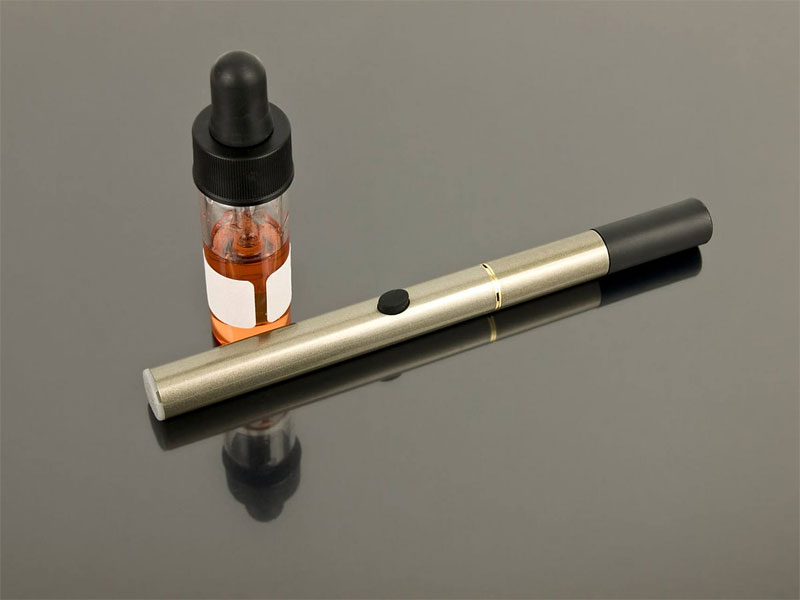
While it’s possible to mix e-liquids, doing so can alter the flavor profile unexpectedly. It’s advisable to stick to known blends for a consistent experience.
In conclusion, understanding the different electronic cigarette parts enhances not only the vaping experience but also encourages appropriate maintenance practices. As technology continues to evolve, so too will the sophistication and efficiency of these components, promising an exciting future for vaping enthusiasts.