To understand what e-cigarette vapor truly is, one must first delve into the mechanics and composition of e-cigarettes themselves. E-cigarettes have gained popularity over the years as a potential alternative to traditional smoking. Central to their operation is the production of vapor, an element that is often misunderstood. Let’s explore the fundamental aspects of this vapor and what differentiates it from conventional cigarette smoke.
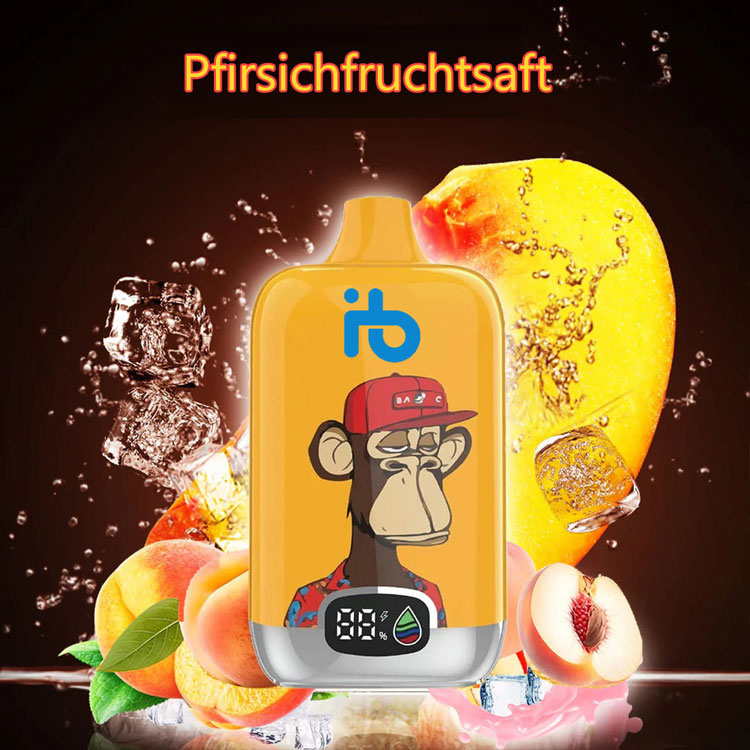
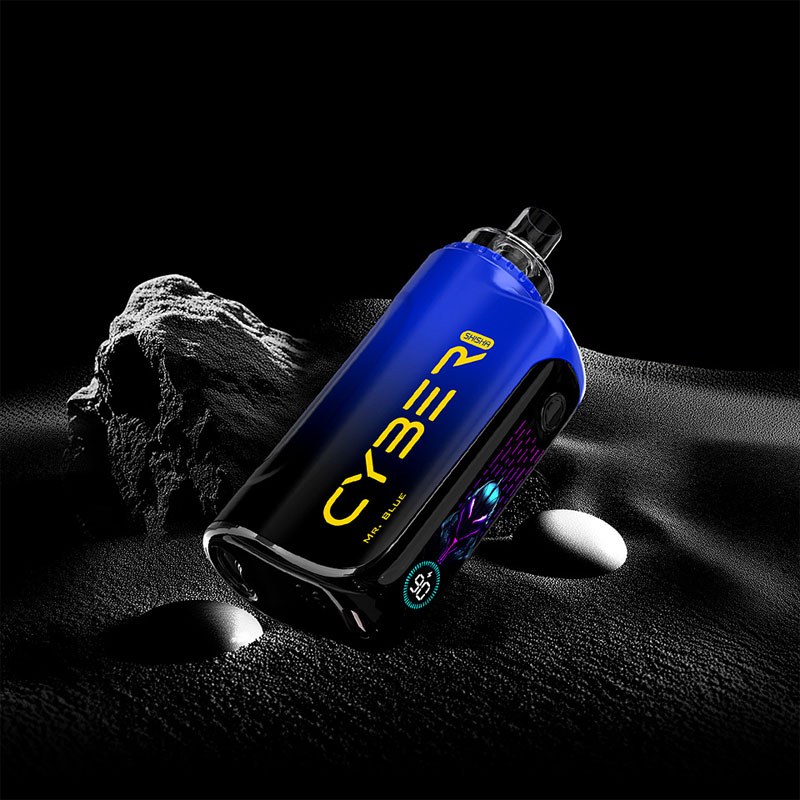
At the heart of e-cigarettes lies a mechanism that heats a liquid solution—commonly referred to as e-liquid or vape juice. This solution typically contains nicotine, flavorings, and a base composed of either propylene glycol (PG) or vegetable glycerin (VG). When the e-cigarette is activated, an atomizer heats this liquid, converting it into an aerosol or vapor that users inhale. This vapor is not to be confused with smoke; unlike smoke from burning tobacco, e-cigarette vapor is the result of vaporization and does not involve combustion.
Composition of E-Cigarette Vapor
The composition of e-cigarette vapor centers around its base ingredients: PG and VG. Propylene glycol is a synthetic liquid substance that absorbs water; it’s less viscous and carries flavor more effectively than vegetable glycerin. VG, on the other hand, is a thicker, sweeter compound that produces denser vapor clouds. The ratio of PG to VG in an e-liquid affects both the vapor production and throat hit experience for the user. Flavorings sprinkled into these liquids add appeal and diversity, ranging from traditional tobacco flavors to fruity and dessert-like options. Meanwhile, nicotine concentration is adjustable, offering users varied intensities based on preference.
While e-cigarette manufacturers tout vapor as a less harmful alternative to tobacco smoke, it’s essential to approach this claim with caution. Studies continue to examine the health implications of inhaling vapor, particularly concerning the long-term effects and potential exposure to harmful substances in vape juice ranges.
Differences Compared to Cigarette Smoke
There are distinct differences between e-cigarette vapor and traditional cigarette smoke. Cigarette smoke results from burning tobacco, producing tar and numerous carcinogens. In contrast, e-cigarette vapor results from heating a liquid solution without combustion, thereby lacking the harmful byproducts associated with traditional smoking. Despite the absence of burning, it is crucial to recognize that the aerosol produced still contains nicotine, which is addictive, and other substances that may pose health risks.
The aesthetics of vapor also differ, generally being less intrusive than the strong odor and dense smoke of conventional cigarettes. This often makes e-cigarettes a more socially acceptable option in smoke-free environments, though regulations surrounding their use vary.
Health Considerations
While e-cigarettes are examined as a smoking cessation tool, users must assess the health considerations linked with vaping. Some evidence suggests that vaping might pose fewer health risks than smoking, as it eliminates the harmful effects of tar and many carcinogens. Yet, the health impact of regular and prolonged use remains unclear, as studies are ongoing, and regulatory bodies issue cautionary advice. The potential presence of diacetyl—a flavoring compound—can have adverse effects on respiratory health if inhaled frequently.
E-cigarette vapor’s appeal is enticing, but users should weigh the potential health outcomes and exercise discernment.
FAQ
 What is the primary component of e-cigarette vapor?
The main component of e-cigarette vapor is the aerosol produced by heating e-liquid, which contains propylene glycol, vegetable glycerin, flavorings, and nicotine.
Is e-cigarette vapor safer than cigarette smoke?
E-cigarette vapor lacks many harmful byproducts found in cigarette smoke due to the absence of combustion, but it is not entirely risk-free and may still pose health concerns.
Can vaping help quit smoking?
Some studies suggest e-cigarettes may aid in smoking cessation; however, individuals should consider potential health risks and consult health professionals before using them as cessation tools.