The rise of e-cigarettes has sparked a global conversation about their impact on health. While touted as a safer alternative to traditional smoking, this new wave of nicotine delivery comes with its own set of risks. At the core of the controversy lies the presence of toxic chemicals in e-cigarettes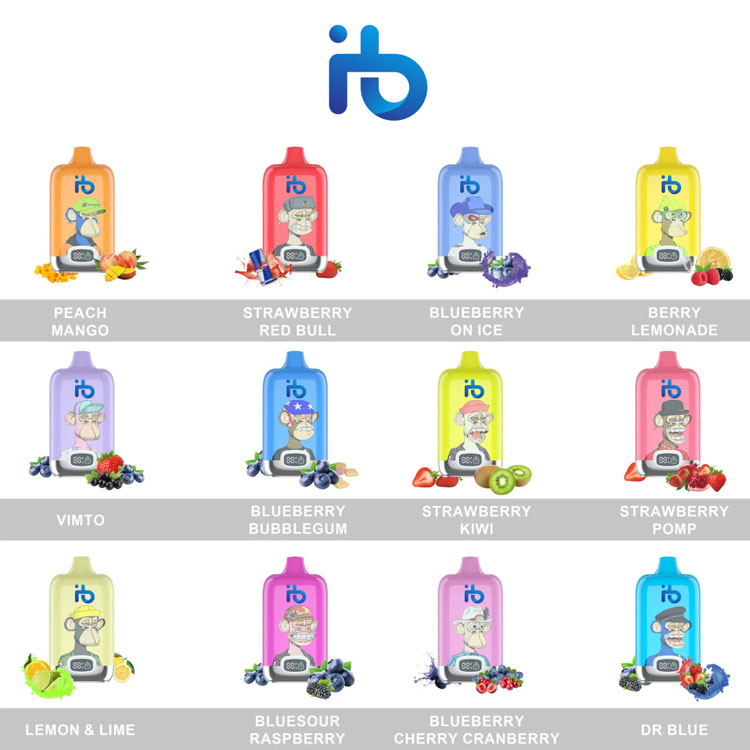 , which pose potential hazards to users and those around them.
Understanding E-Cigarette Composition
To grasp the scope of the issue, it’s essential to first understand what comprises an e-cigarette. Typically, e-cigarettes contain a battery, a heating element, and a cartridge filled with e-liquid. The e-liquid itself is primarily composed of nicotine, flavorings, and a solvent, often propylene glycol or vegetable glycerin. While these ingredients seem benign at first glance, the heating process can create harmful toxins.
Formation of Toxic Chemicals
When e-cigarette liquids are heated, they create aerosols containing substances not originally present in the e-liquid. Some of the most concerning of these substances include formaldehyde , acrolein, and acetaldehyde. These chemicals are known irritants and have been linked to respiratory and other systemic health problems. The process of aerosol generation can inadvertently turn innocuous substances into harmful irritants.
Chemical Breakdown
To dive deeper, formaldehyde, used industrially for its preservative and anti-bacterial properties, poses carcinogenic risks. Acrolein, a byproduct of burning fossil fuels, can cause severe irritation to the eyes and airways. Acetaldehyde, another carcinogen, is prevalent in cigarette smoke and contributes to the harmful effects experienced by both smokers and passive smokers.
Adding complexity to this mix are the flavorings used in e-cigarettes. While designed to enhance the vaping experience, they can also become hazardous when heated. For instance, diacetyl, a chemical often used for buttery flavors, has been associated with a serious lung condition known as “popcorn lung.”
Regulations and Safety Measures
In response to these risks, many countries have started to implement stricter regulations on e-cigarette production and sale. These regulations aim to limit the presence of harmful chemicals in e-liquids and ensure manufacturers adhere to safety standards. However, due to the ever-evolving nature of the e-cigarette market, enforcement can be challenging.
Awareness among users is crucial; understanding the risks associated with e-cigarettes can lead to informed choices and actions.
Frequently Asked Questions
- What are the main toxic chemicals found in e-cigarettes?
The primary chemicals of concern are formaldehyde, acrolein, and acetaldehyde, along with harmful flavoring substances like diacetyl. - Are e-cigarettes safer than traditional cigarettes?
While e-cigarettes lack some of the harmful substances found in tobacco, they still pose significant health risks due to toxic chemical formation during use. - Can the use of e-cigarettes lead to lung disease?
Yes, the inhalation of certain chemicals formed during e-cigarette use has been linked to adverse lung conditions.
