In a surprising and bold move, Turkey has implemented a complete ban on the import of electronic cigarettes. This decision marks a significant step in the country’s ongoing efforts to regulate tobacco and nicotine products, aiming to curtail the growth of the vaping industry within its borders. The new regulation comes amidst global concerns over the health implications of vaping, especially among young people, prompting immediate reactions from both local and international stakeholders.
Understanding the Ban’s Implication on the Electronic Cigarette Market
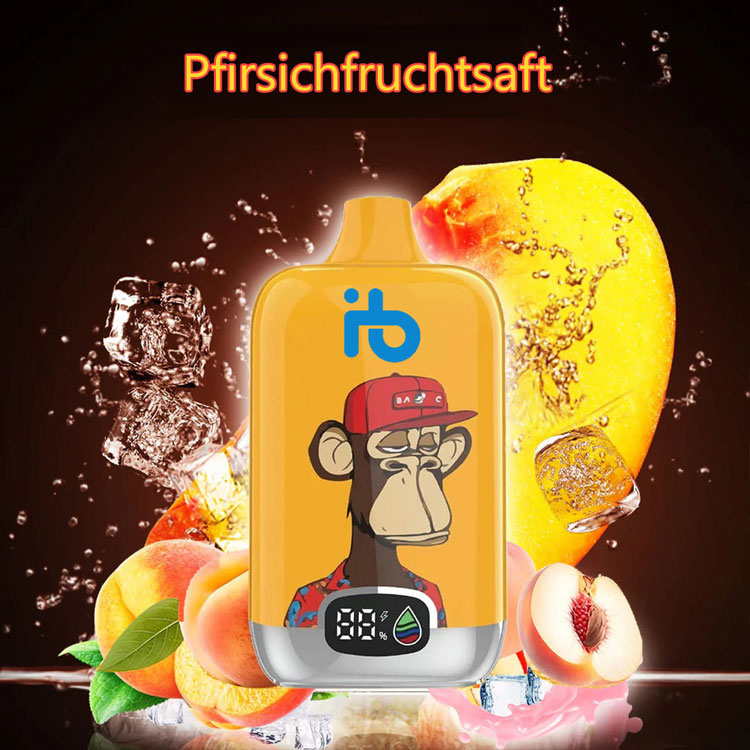
Electronic cigarettes, popularly known as e-cigarettes, have been at the center of health debates worldwide. With Turkey’s ban, the dynamics within the country’s tobacco sector are poised to shift dramatically. Vaping enthusiasts and retailers are left scrambling to understand the details and impacts of the prohibition on imports. It’s essential to note that while the sale and use of electronic cigarettes aren’t entirely prohibited, the restriction on imports could lead to scarcity, impacting availability and pricing significantly.
Health Concerns and Regulatory Actions
At the core of this bold regulatory decision lies a concern for public health. Over the past decade, electronic cigarettes have been scrutinized as alternative nicotine delivery systems. Although they are often marketed as safer than traditional tobacco products, scientific studies have indicated potential risks that cannot be ignored. Turkish authorities have opted for stringent control, mirroring similar strategies employed by other countries like India, Brazil, and Thailand, who have also enacted bans to combat health risks associated with vaping.
Moreover, Turkey’s health ministry has emphasized the ban’s alignment with national strategies to reduce tobacco usage and the prevention of smoking initiation among teenagers. The growing trend of young consumers taking up vaping due to flavors and trendy marketing had been concerning, necessitating decisive action to stem the tide.
Impact on Consumers and Retailers
The sudden enforcement of Turkey’s import ban on electronic cigarettes certainly disrupts the existing marketplace. For consumers, the ban implies a limited selection of vaping products and potentially inflated prices as retailers struggle to source from alternative channels. This pressure may lead to increased interest in traditional tobacco products or alternative nicotine replacement therapies.
Retailers face the arduous task of adapting to rapidly changing market conditions. The ban on imports demands innovation in business strategies to survive, pushing for local production possibilities or diversifying offered products to include legal alternatives that comply with national health regulations.
Exploring Alternatives and Future Outlooks
With Turkey’s firm stand against vaping imports, stakeholders are compelled to seek alternatives. Local production of vaping devices, if feasible under strict regulations, could be a potential area of interest. Additionally, nicotine replacement therapies such as patches, gums, and lozenges are likely to gain popularity as they provide legally sanctioned routes to combat nicotine addiction.
Looking ahead, Turkey’s regulatory landscape may influence regional and global policies as nations observe the effects of such decisive actions. Whether Turkey’s bold stance will successfully curb vaping addiction remains to be seen, but the focus on health remains clear and resolute.
FAQ Section
How will this ban affect the availability of electronic cigarettes in Turkey?
The ban will likely lead to limited availability and choice for consumers, potentially causing prices to rise as retailers adjust to sourcing constraints.
Are there any exceptions to the ban on electronic cigarette imports?
Currently, there are no known exceptions within the ban’s framework, making it a comprehensive restriction against importing e-cigarettes.
Can the vaping industry adapt to these changes effectively?

Adapting to regulatory changes requires significant shifts in business models, and while challenging, some stakeholders may explore alternative production or diversify product offerings to comply with health regulations.